

NHL Gift Ideas
Are NHL Games Cold? The Complete 2025 Arena Temperature & Fan Comfort Guide

Dec
Are NHL Games Actually Cold? What Temperatures to Expect
NHL arenas are cooler than typical indoor environments, but they are not brutally cold for most fans. The ice surface must stay frozen, yet tens of thousands of people are breathing, moving, and generating heat in the stands. Arena engineers balance these competing needs with specialized climate systems that keep ice at the correct temperature while maintaining acceptable comfort in the seating areas.
Typical NHL Arena Temperatures
In most modern arenas, the air temperature in the stands usually sits somewhere around the low to mid-60s Fahrenheit (roughly 16–18 °C). Down near the glass and player benches it can feel a few degrees colder because you are closer to the ice and more exposed to circulating air. Higher seats often feel slightly warmer, especially when the building is full. The exact numbers vary by building and event, but an NHL game generally feels like a cool autumn evening rather than a deep-winter snowstorm.
The ice itself is much colder than the air above it. To stay hard and responsive, the ice surface is usually kept in the 22–26 °F (-5 to -3 °C) range. You can see how important this is by browsing technical discussions from league and media sources, such as the ice-maintenance features occasionally highlighted on NHL.com. When warm air, bright lights, and huge crowds are added to the mix, maintaining a stable sheet of ice becomes a genuine engineering challenge.
Why Arenas Need to Stay Cool
Cool air protects the ice from becoming soft and rutted, which would slow the puck down and increase the risk of injuries when players skate or change direction. Lower humidity also prevents fog from forming above the ice surface. Because the NHL schedules games almost every night and many buildings also host concerts and other events, arena crews must keep conditions within a fairly narrow band. The result is a building that usually feels crisp but not unbearable for spectators wearing the right clothing.
Why Different Fans Feel Different Levels of Cold
Two people sitting side by side can have very different experiences. Several factors influence how cold a game feels:
• Personal tolerance for cold temperatures
• How much you move around during intermissions
• What you wear on your feet and legs, not just your upper body
• Whether your seat is near a draft, doorway, or ventilation duct
• How long the game lasts if there is overtime or extended stoppages
Many fans report feeling comfortable for the first period and gradually getting cooler by the third. Planning ahead with layers and smart fabric choices is the best way to stay comfortable throughout the full event.
How Long You Will Sit in a Cold Arena
Comfort is not just about temperature; it is also about how long you are exposed to that temperature. A standard game includes three periods, two intermissions, and all the stoppages that come with penalties, reviews, and timeouts. Fans trying to plan their evening often search for phrases like how long are NHL games or how many periods in an NHL game so they know how much time to budget.
In practice, most NHL games last between two hours twenty minutes and two hours forty-five minutes from puck drop to final horn. When you add pre-game warmups, arena entry, and post-game crowds, your total time in the building is usually closer to three and a half hours. If you are attending a playoff game, especially one that might go to overtime, you may end up in your seat even longer. That extended exposure is the main reason you should treat an NHL game as a cool-weather event and dress accordingly.
What to Wear to an NHL Game: Layering Basics
The easiest way to stay comfortable at a hockey game is to think in layers rather than trying to choose one perfect piece of clothing. This approach lets you adapt to different stages of the night—walking from your car or transit stop, standing in line at security, sitting in your seat, and moving around during intermissions.
Start with a Comfortable Base Layer
Begin with a breathable base layer that sits directly against your skin. Lightweight long-sleeve tops made from cotton blends or moisture-wicking performance fabrics work well. You do not need technical ski underlayers unless you know you get cold very easily, but you should avoid wearing only a thin T-shirt under your outer layers, especially if you plan to sit close to the ice.
Add a Warm Mid-Layer
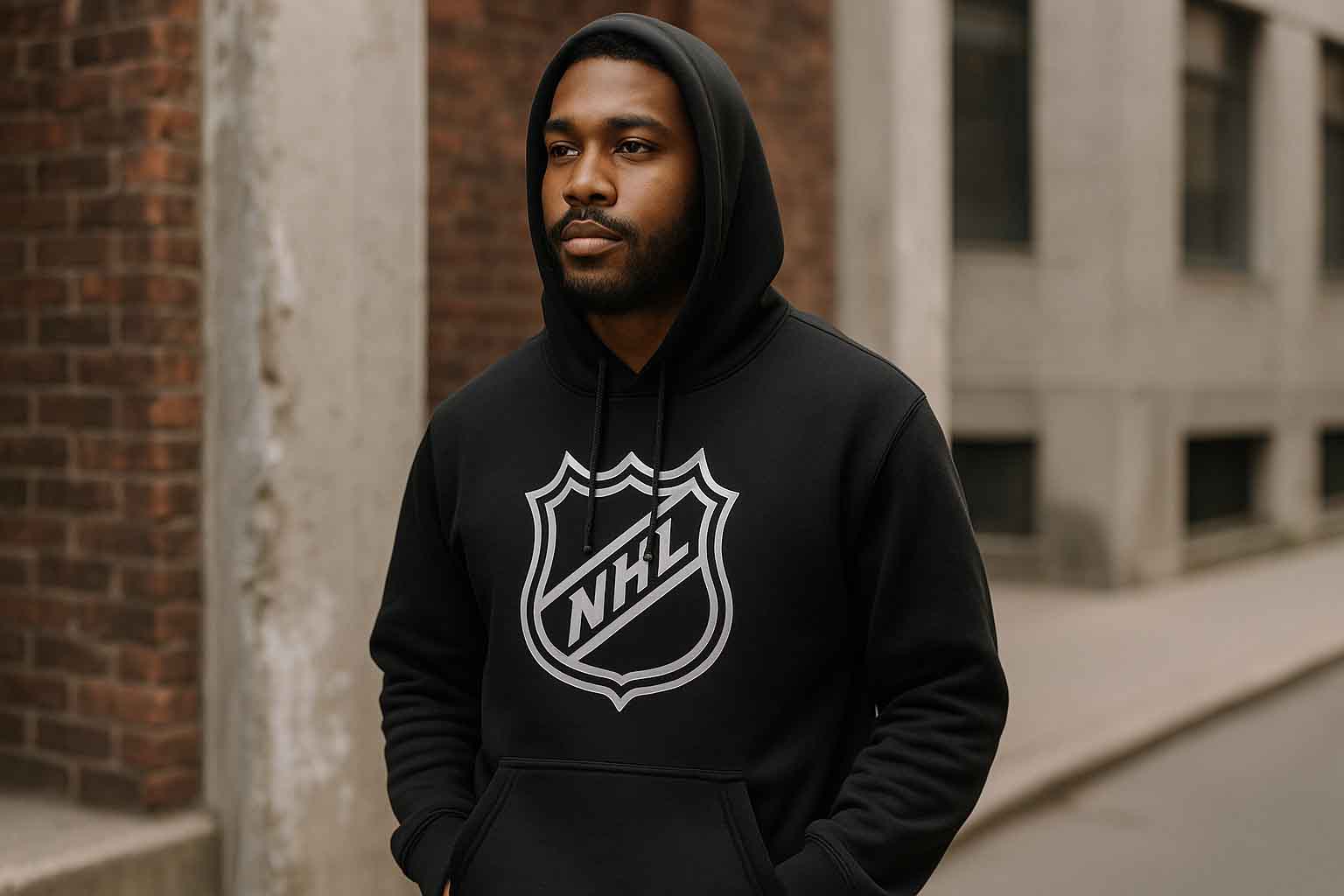
The mid-layer is where you get most of your warmth. A hoodie, crewneck sweatshirt, or light fleece is ideal. This is also where many fans show off their team pride by wearing NHL-inspired designs. A well-fitting hoodie makes it easy to adjust your temperature: you can pull the hood up when you feel a chill, or unzip slightly if you get too warm walking around the concourse.
Finish with a Jersey or Light Jacket
On top of your mid-layer, wear a jersey, bomber jacket, or casual outer layer that gives structure to your outfit. Many fans like the look of a jersey over a hoodie because it keeps you warm while still clearly showing which side you support. A full winter coat is usually unnecessary and can feel bulky in tight seating rows, especially once the crowd gets loud and energetic.
For more visual inspiration and outfit formulas, it can be helpful to look at style-focused resources that break down what to wear to NHL game combinations for different body types and preferences.
Specific Outfit Ideas for Different Types of Fans
While layering principles are universal, the exact pieces you choose may differ depending on whether you are dressing yourself, a partner, or children. Building a plan in advance ensures nobody is miserable by the second intermission.
Men’s and Unisex Outfit Ideas
A reliable formula for many men is jeans or heavier joggers, a long-sleeve base layer, a mid-weight hoodie, and then a jersey or casual jacket. Closed-toe shoes with decent cushioning are important because you will be climbing stairs and standing during big moments. If you tend to run warm, you can choose a lighter hoodie or thin long-sleeve shirt and rely on the jersey for extra insulation.
Women’s Outfit Ideas
Many women prefer a slightly more flexible outfit that can transition from outdoor weather to cold indoor air. Leggings or lined tights paired with jeans, plus a long-sleeve top and cropped or standard hoodie, work well. You can top this with a jersey or stylish bomber jacket. A beanie stashed in your bag is useful if your seat ends up being chillier than expected. Footwear should prioritize warmth and stability over high fashion—ankle boots or sneakers with thick socks usually feel best.
Outfits for Kids and Families
Children often feel colder than adults because they move around less once seated. Dress kids in one extra layer compared with what you would wear yourself. Long underwear or thermal leggings under jeans, plus a sweatshirt and jersey, works well. Gloves and a hat are smart additions, especially if you arrive early or leave late when outdoor temperatures are low. Make sure that any layers you choose still allow them to climb stairs comfortably and sit without feeling restricted.
Are Some NHL Arenas Colder Than Others?
Not every arena feels exactly the same. Building age, HVAC design, crowd size, and even local climate all play a role. While there is no public league-wide ranking of coldest venues, fan reports and local media coverage often mention differences between teams.
Northern vs. Southern Markets
Arenas in historically cold-weather markets—especially in Canada and the northern United States—sometimes feel slightly colder because outside temperatures are lower for much of the season. When the air entering the building starts out cold, maintaining the ice becomes easier, but fans may notice more overall chill in concourses and seating areas. In contrast, arenas in warmer climates have to work harder to cool and dehumidify incoming air, and they sometimes feel a touch warmer in the upper sections once the crowd fills in.
Newer vs. Older Buildings
Newer arenas tend to have more efficient climate-control systems, better insulation, and more precise humidity management. This can make the environment feel more consistent from section to section. Older buildings may have occasional drafts or hot and cold spots where air circulation is less even. Reading local fan forums or event guides can give you hints about what to expect before your trip.
Outdoor Games and Special Events
Outdoor games—such as New Year’s Day showcases or stadium series events—are a different story altogether. Because they take place in open air, you should dress as if you are attending a winter football game, not a typical indoor NHL contest. Expect wind chill, long exposure times, and minimal protection from the elements. Checking a national sports outlet like ESPN’s NHL section on game day can help you track weather forecasts and start-time changes for these events.
What to Bring to an NHL Game for Extra Comfort
Beyond clothing, small accessories can do a lot to make cool arenas more comfortable. Always check your venue’s bag policy and prohibited-items list before packing, because rules differ between teams.
Smart Accessories That Help
A compact beanie or knit hat, thin gloves that still allow you to use your phone, and a lightweight scarf can be life-savers if your section feels colder than average. A small seat cushion or stadium pad can provide insulation between you and a chilly plastic or metal seat. Hand-warmer packs are helpful at outdoor games but are usually unnecessary indoors.
Items to Avoid Bringing
Bulky blankets, oversized coats, and extremely large bags can become more of a nuisance than a benefit. They are hard to stow under your seat and may not be allowed past security. Many arenas also have restrictions on outside food and beverages, so plan to purchase snacks and drinks on site unless your ticket or policy page explicitly says otherwise.
Checking Arena Policies in Advance
Before you leave home, review the official website of the team or venue for bag sizes, prohibited items, and any special guidance about clothing or signs. Policies can change from season to season, and being prepared will help you move through security faster and get to your seat with less stress.
NHL Apparel Options That Work Well in Cold Arenas
For many fans, game-day clothing is about more than warmth—it is also about style and identity. A small rotation of pieces inspired by your favorite team can keep you both comfortable and confident throughout the season. Thoughtful choices in NHL apparel allow you to mix and match layers depending on the matchup, seat location, and outside weather.

Hoodies and Mid-Weight Layers
A versatile hoodie is arguably the single most useful item for attending hockey games. It can be worn under a jersey, over a long-sleeve shirt, or on its own for more casual watch parties. Look for mid-weight fabrics that are thick enough to trap warmth but not so bulky that they feel tight under a jersey. All-over print or 3D designs can add personality without sacrificing function.
Light Jackets and Shells
Lightweight bomber jackets, track jackets, or softshell pieces work well over a hoodie for getting to and from the arena. Once inside, you can take the jacket off and sit comfortably in your base and mid-layer. This approach is especially handy in cities where winter evenings are much colder than the arena interior.
Versatile Bottoms and Footwear
Jeans, heavy joggers, or lined pants help keep your legs warm during long periods of sitting. For footwear, closed-toe shoes with decent grip are ideal; concourse floors can become slightly damp from melted snow or spilled drinks. Thick socks provide extra insulation and are easy to adjust if you start to feel too warm.
Which Seats Are the Coldest in an NHL Arena?
Not all seating locations feel the same. If you are particularly sensitive to cold, it may be worth choosing seats with comfort in mind.
Lower Bowl and Glass-Side Seats
Seats close to the ice generally feel colder. You are nearer to the chilled surface and more exposed to air movement designed to keep the rink stable. These spots often provide thrilling views of the action, so many fans are happy to trade a few extra degrees of chill for the intensity of being right on top of the play—as long as they dress properly.
Upper Bowl and Club Levels
Higher sections tend to feel a little warmer because warm air rises and there is more distance from the ice. That said, some upper sections can also be drafty if they are near entrances or ventilation ducts. Club- and suite-level seating sometimes offers the most controlled climate, but every building is designed differently.
Arenas With Unique Layouts
Some venues have open concourses that let you watch the game from bar-style areas where you can move around more freely. These spaces may feel warmer than traditional fixed seating. If you know you like to stand, stretch, and walk, choosing tickets near these flexible zones can make the night more comfortable.
Frequently Asked Questions About Cold NHL Arenas
Do I need a winter coat inside an NHL arena?
In most cases, a heavy winter coat is not necessary and may even feel cumbersome once you are seated. A long-sleeve base layer, hoodie, and jersey or light jacket are usually enough for indoor games. Save the heavy parka for outdoor stadium events or extremely cold travel conditions.
Are NHL games colder for kids than for adults?
Children often feel colder because they move less and have smaller bodies that lose heat more quickly. Dress kids in one extra layer compared with your own outfit and make sure their hands, feet, and heads are well covered. Plan to walk around the concourse during at least one intermission to help them warm up and reset their energy.
Is it colder in the playoffs?
The physical temperature in the building may not change much, but playoff games can feel more intense and longer. Overtime is more common, and you may be in your seat for additional periods. Because of that, plan for slightly more time in a cool environment and lean toward an extra layer rather than fewer.
How cold are hockey games compared with other sports?
Indoor hockey games are usually cooler than basketball or indoor concerts because of the ice surface, but they are often warmer and more controlled than outdoor football games in winter conditions. The environment is closer to sitting in a cool movie theater for several hours than standing outside in a snowstorm.
What should I do if I start feeling too cold during the game?
Take advantage of intermissions to walk the concourse, grab a warm drink, and move your muscles. Putting on a hat or gloves from your bag can make a surprising difference. If you are still uncomfortable, consider adding an extra layer for future games or selecting seats slightly farther from the ice surface.
Conclusion: Yes, NHL Games Are Cool — But They Don’t Have to Be Uncomfortable
NHL arenas are designed to keep the ice frozen and the action fast, which means they will always feel cooler than a typical indoor event. However, with smart layering and a bit of planning, you can enjoy every minute without worrying about the temperature. Think in terms of base layer, mid-layer, and jersey or light jacket, choose comfortable bottoms and closed-toe shoes, and bring a few compact accessories just in case your section feels colder than expected.
As you become more familiar with game timing, seating layouts, and outfit formulas, you can refine your wardrobe and build a small collection of dependable game-day pieces. Resources that explain NHL apparel, arena experiences, and outfit ideas such as what to wear to NHL game make it easier to prepare for each matchup, whether it is a casual weeknight tilt or a high-stakes playoff showdown. With the right expectations and the right clothes, the only chills you will notice are the ones that come from last-second goals and overtime winners.
