

NHL Gift Ideas
How Many Periods in an NHL Game? 2025 Guide to Format, Timing, Overtime & Rules
Dec
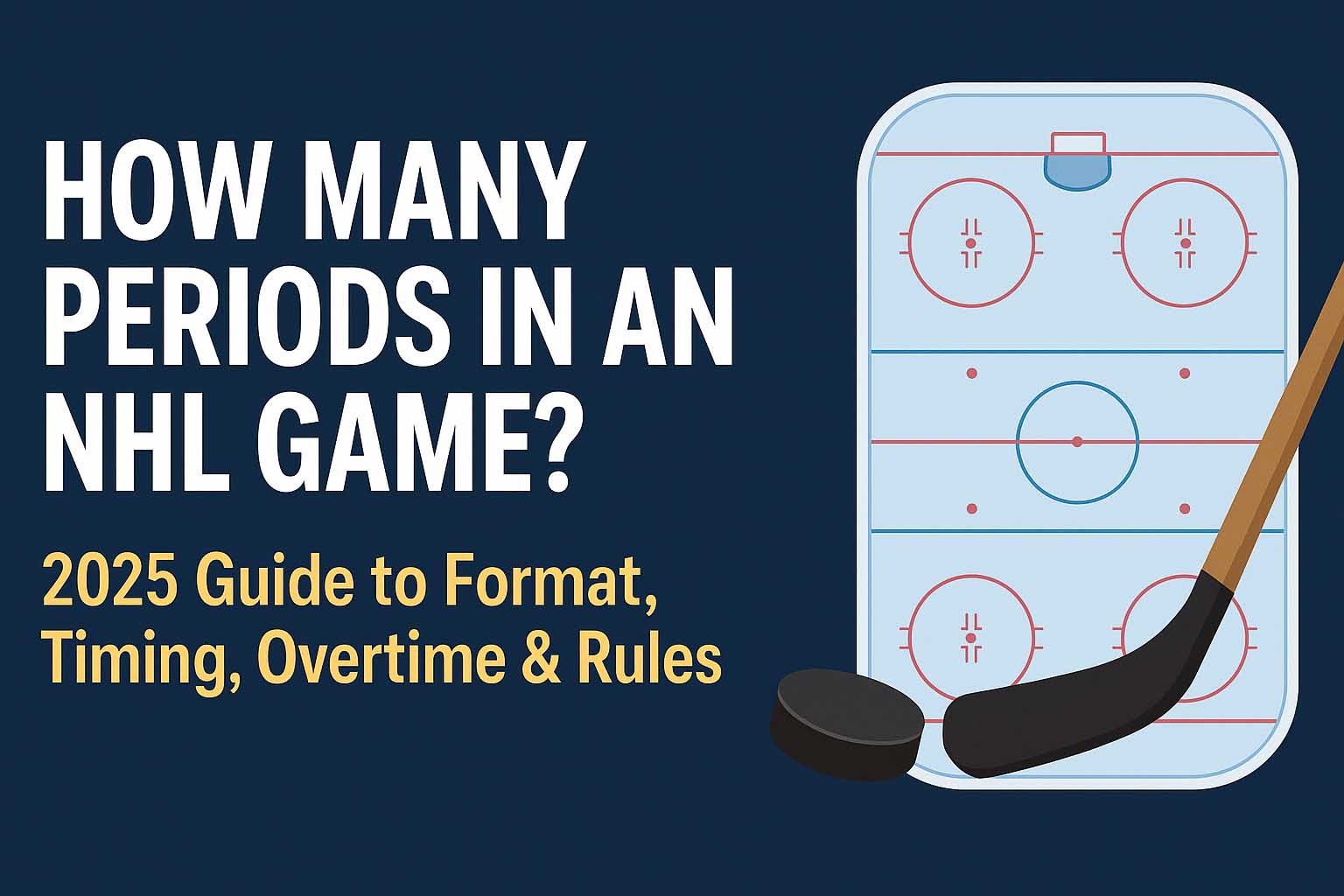
How Many Periods Are in an NHL Game?
An NHL game consists of three regulation periods, each lasting 20 minutes of stop-time play. This standardized format has been in place for decades and remains one of the most defining characteristics of professional hockey. The three-period structure creates natural pacing, strategic adjustments, and rest periods that affect both player performance and fan experience.
Standard Regulation Format
A regulation NHL game includes:
• Three periods of 20 minutes each
• Stop-time play, meaning the clock pauses whenever play stops
• A total of 60 minutes of official game time
This format is outlined clearly in the official NHL Rulebook, which governs timing, play stoppages, and period structure. According to the league’s documentation, time only advances when the puck is in active play. As a result, the actual duration of an NHL game is much longer than 60 minutes.
Why Three Periods Instead of Halves?
Hockey originally adopted the three-period format because early rinks lacked reliable ice-maintenance systems. Breaking the game into thirds allowed crews to resurface the ice, improving safety and puck control. Today, resurfacing remains essential, and the three-period structure continues to support a fast, high-intensity style of play that distinguishes hockey from many other sports.
The Role of Intermissions
Intermissions between periods typically last 15–18 minutes. These breaks allow:
• Teams to adjust strategy
• Players to recover and hydrate
• Ice crews to resurface the rink
• Fans to move around the arena, buy food, or visit merchandise stands
Intermissions are a core part of the NHL viewing experience—whether you’re watching on TV or attending a live game.
How Long Does an NHL Game Take in Real Time?
Although regulation play totals 60 minutes, the real-world duration of an NHL game is usually between 2 hours and 20 minutes and 2 hours and 45 minutes. This depends on stoppages, reviews, penalties, and overtime.
Watching on Television
Televised NHL broadcasts include commercial breaks during stoppages, extended coverage during reviews, and additional segments during intermissions. As a result, home viewers typically experience a game lasting around 2.5 hours. The pace feels dynamic, but repeated stoppages for advertisements can slightly extend the experience.
Watching in Person
Attending an NHL game in an arena is typically longer than watching on TV. You will experience:
• Pre-game warmups
• Player introductions
• Music, crowd engagement, and arena entertainment
• Longer transitions between periods
Doors usually open 60–90 minutes before puck drop, which means a full evening commitment for most fans. This is why guides such as what to wear to NHL game are popular among first-time attendees preparing for the indoor climate and long seating intervals.
What Makes Games Longer?
Several factors can extend game length significantly:
• Video reviews for goals, offsides, or goalie interference
• Penalties, which stop play frequently
• Major penalties requiring additional officiating discussion
• Injuries on the ice
• Television-mandated media breaks
During high-stakes matchups—particularly in late-season or playoff games—intensity often leads to more stoppages, which increase total viewing time.
Overtime Rules in the NHL
If teams are tied at the end of regulation, the game proceeds into overtime. Overtime rules differ between regular-season games and playoff games, leading to significantly different pacing and strategy.
Regular-Season Overtime Format
Regular-season NHL overtime is one of the most exciting parts of the sport due to its open-ice, sudden-death design. The format includes:
• 5 minutes of 3-on-3 play
• Sudden-death scoring—first goal wins
• A shootout if no goal is scored in overtime
This fast, offense-heavy format increases scoring chances dramatically and often produces end-to-end action. USA Hockey’s guidance on game format (USA Hockey Rulebook) confirms the importance of open-ice overtime for maintaining pace and competitive balance.
Shootout Procedure
If overtime ends without a goal, the game moves to a shootout. This involves:
• Three shooters per team
• Additional rounds if the score remains tied
• A sudden-death format after the initial three rounds
Shootouts determine only regular-season games. They do not exist in the postseason, where full overtime periods continue until a goal is scored.
Playoff Overtime Format
NHL playoff overtime is entirely different—and famously grueling. The format mirrors regulation:
• 20-minute periods
• 5-on-5 play
• Sudden death
• No shootouts
• Unlimited periods until a goal is scored
Some playoff games have lasted over 120 minutes of play, and intense matchups occasionally go into triple or quadruple overtime. Fans watching at home or in the arena often remember these marathon games for years.
Can an NHL Game End in a Tie?
A modern NHL game cannot end in a tie. Prior to 2005, ties were possible, but league reforms removed them to create more decisive outcomes, increase fan engagement, and simplify standings.
Why Ties Were Eliminated
Ties were removed largely because fans and broadcasters wanted clear winners after each game. The introduction of 3-on-3 overtime and shootouts ensured dramatic finishes that helped grow the league’s entertainment value.
Point System in the Modern NHL
Teams are awarded standings points as follows:
• 2 points for a win
• 1 point for an overtime or shootout loss
• 0 points for a regulation loss
This points format shapes playoff races and influences how teams approach late-season strategy.
Historical Perspective
Before the rule change, ties were relatively common, particularly in low-scoring eras. Removing ties modernized the league and allowed teams to play more aggressively in close games, improving the sport’s pace and excitement.
Full NHL Game Flow Explained
Pre-Game Activities
Warmups typically begin 30 minutes before the official start time. This allows players to stretch, skate, and practice shots while fans settle into their seats. Music, lighting, and pre-game presentations help build anticipation in the arena.
Puck Drop and Regulation Play
The first period begins with a faceoff at center ice. The game proceeds through continuous cycles of play, stoppages, and zone transitions. Coaches adjust line combinations strategically depending on game flow and opponent pressure.
Stoppages and Reviews
Stoppages occur for icing, offsides, penalties, puck out of play, and video challenges. Coach’s challenges may review:
• Offside entries
• Goaltender interference
• Missed calls on major penalties
These reviews ensure accuracy but may extend overall game duration.
How Game Format Affects the Fan Experience
Understanding game structure helps fans enjoy both televised and live NHL experiences more fully. Knowing when breaks occur, how long a game will last, and how overtime works can improve planning and overall enjoyment.
If You’re Watching at Home
Television broadcasts often provide the best angle for following puck movement, player positioning, and replay reviews. Many new fans begin by learning related concepts such as how long are NHL games to understand the pacing and structure of a standard broadcast.
If You’re Attending in Person
Arenas tend to feel colder than expected because of the ice surface and ventilation requirements. This is why many fans prepare using resources like NHL apparel and what to wear to NHL game to ensure comfort over several hours of sitting, standing, and moving around the arena.
Pacing Expectations for New Fans
The NHL’s stop-time format means momentum can shift quickly and unpredictably. Fans who understand the rhythm of play, the impact of penalties, and the strategic nature of timeouts tend to appreciate games more deeply.
Frequently Asked Questions About NHL Game Format
How many periods are in NHL playoff games?
Playoff games include three regulation periods and unlimited sudden-death overtime periods of 20 minutes each until a goal is scored.
Is overtime different in the playoffs?
Yes. Playoff overtime uses full 20-minute periods with 5-on-5 play and has no shootout. Regular-season overtime is much shorter and uses a 3-on-3 format.
Why does the NHL play three periods instead of two halves?
Three periods allow for more consistent ice resurfacing and better pacing for both players and fans. It also increases strategic adjustments between periods.
How early should I arrive before puck drop at an arena?
Most fans arrive 30–45 minutes early to watch warmups, find their seats, and avoid concourse lines. For playoff games, arriving even earlier is recommended.
Are NHL rinks all the same size?
Yes. All NHL rinks follow standardized dimensions of 200 by 85 feet, although international rinks vary.
Conclusion
Now that you understand how many periods in an NHL game and how regulation time, overtime, shootouts, and stoppages work, you are better prepared to enjoy the sport—whether on TV or inside the arena. The NHL’s unique pacing, dramatic overtime rules, and structured format make it one of the most exciting professional leagues in the world.
To continue building your knowledge of the league, consider learning more about overall game duration through guides like how long are NHL games or exploring apparel and preparation strategies for in-person attendance through resources such as NHL apparel and what to wear to NHL game. A deeper understanding enhances every moment of the hockey experience.
If you want to explore more NHL guides, fan insights, and helpful breakdowns, continue reading our related posts and discover resources built to elevate your 2025 hockey season.
