

NHL Gift Ideas
Lacer Hoodie NHL Guide: Lace-Up Hockey Hoodies Explained
Dec
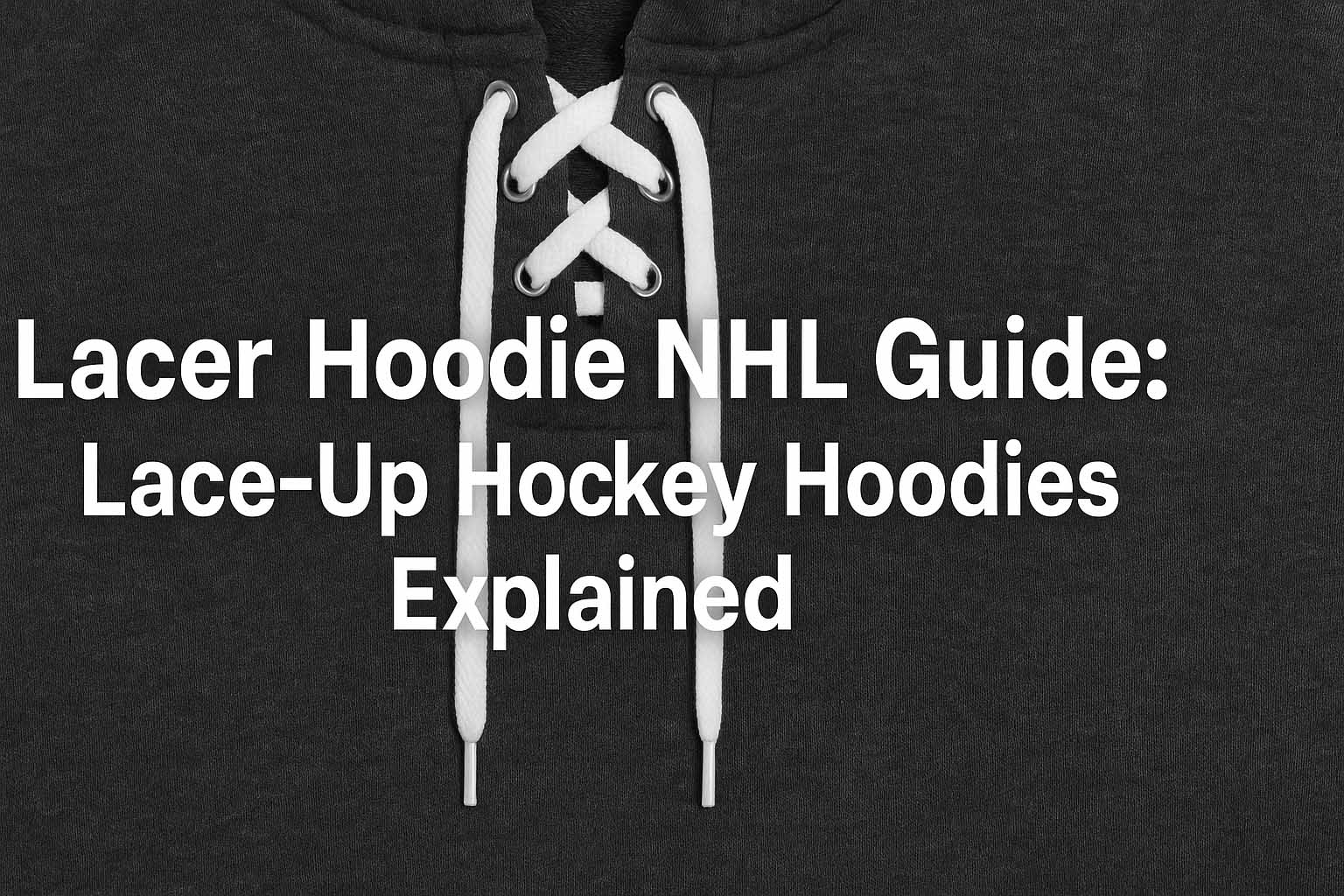
A lacer hoodie NHL style blends classic hockey heritage with modern hoodie comfort, making it one of the most recognizable silhouettes in fan apparel. Defined by its lace-up neckline inspired by traditional hockey jerseys, this hoodie type appeals to fans who value warmth, structure, and a timeless on-ice aesthetic. While lace-up designs may look decorative at first glance, they play both functional and stylistic roles that set them apart from standard hoodie constructions.
This guide explores what makes lacer hoodies unique, how they compare to other hockey-inspired hoodies, when they are the best choice for fans, and how to care for them properly. Understanding these details helps fans decide whether lace-up hoodies fit their lifestyle, climate, and personal style.
What Is a Lacer Hoodie in Hockey Apparel?
Lacer hoodies take their name from the lace-up collar traditionally found on vintage hockey jerseys. Over time, this feature transitioned from performance gear to fan apparel, where it became a symbol of classic hockey identity.
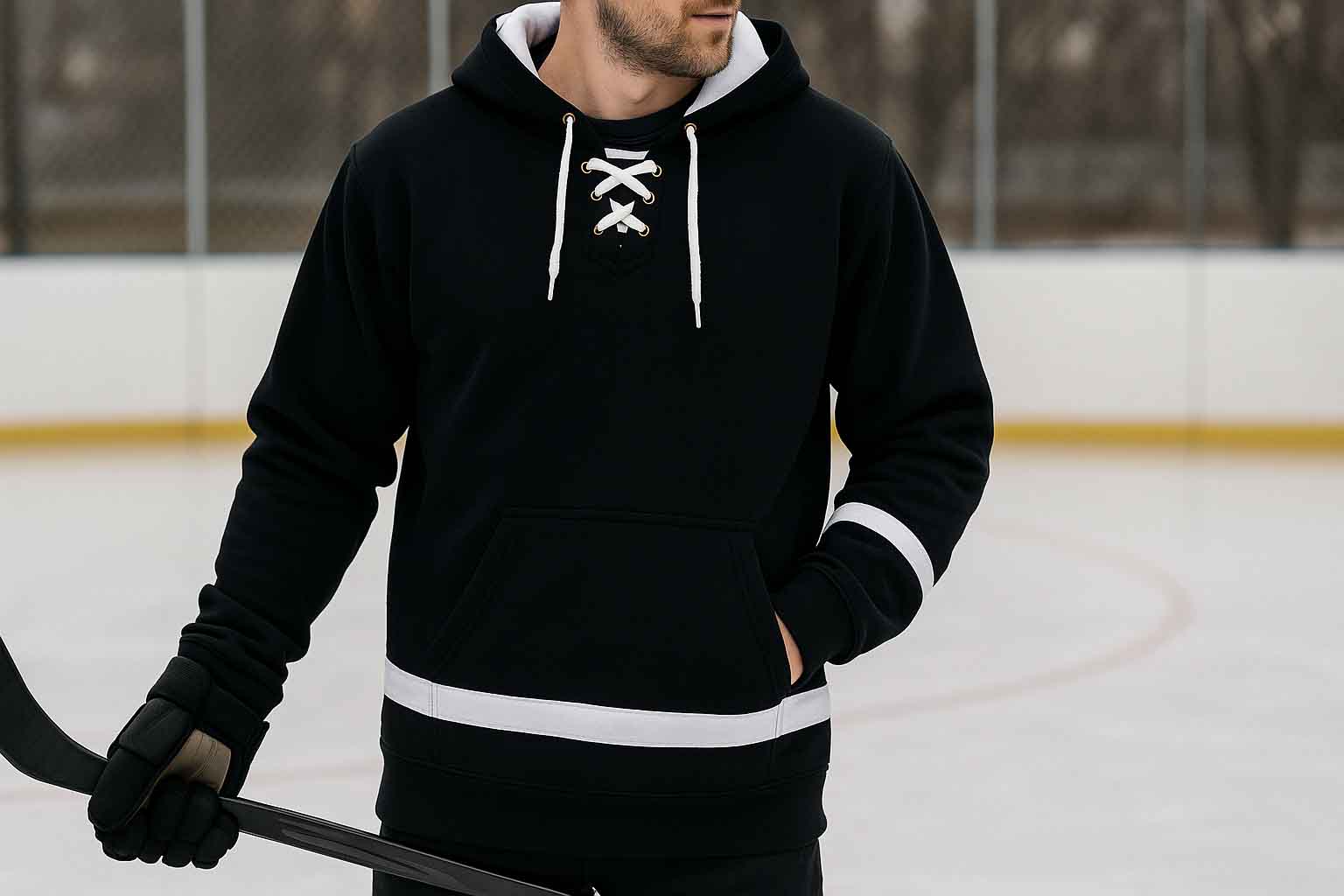
In hoodie form, the lace-up neckline adds both visual weight and functional structure, creating a silhouette that feels closer to on-ice culture than many modern casual hoodies.
Origins of lace-up designs in hockey culture
Early hockey jerseys relied on lace-up collars for fit adjustment and durability before modern elastic materials became common. These laces became closely associated with the sport’s early eras.
As hockey fashion evolved, fans embraced lace-up details as a nod to tradition rather than necessity. The design persisted as a visual marker of authenticity and heritage.
Lacer hoodies borrow this element to evoke that same connection, even though the garment itself is casual apparel.
How lacer hoodies differ from standard hoodie styles
Unlike pullovers or zip-ups, lacer hoodies feature an open neckline reinforced by laces instead of ribbed fabric or zippers. This changes how the hoodie sits on the chest and shoulders.
The added structure makes lacer hoodies feel heavier and more substantial, especially when compared to lighter styles found across other types of NHL hoodies.
This difference affects warmth, fit, and overall visual presence.
Design Features of Lacer Hoodie NHL Styles
The defining features of a lacer hoodie go beyond the laces themselves. Construction choices play a major role in how these hoodies look and feel when worn.
From fabric weight to stitching details, lacer hoodies are designed to feel durable and intentional.
The lace-up neckline as a visual anchor
The lace-up collar is the focal point of any lacer hoodie. It immediately draws attention and signals a connection to hockey tradition.
Many fans associate this feature with toughness and old-school hockey aesthetics, which adds emotional value beyond simple decoration.
This visual anchor often allows the rest of the hoodie design to remain clean and balanced.
Fabric weight and structural differences
Lacer hoodies are typically made from heavier materials than standard hoodies. Thicker fleece or blended fabrics help support the open neckline without sagging.
This added weight contributes to warmth and makes the hoodie feel more substantial during wear.
As a result, lacer hoodies often perform better in colder environments than lighter alternatives.
Why Fans Choose NHL Hoodies With Laces
Fans who gravitate toward lace-up hoodies often prioritize warmth, structure, and heritage aesthetics over minimalism.
The design resonates with those who appreciate hockey’s history and visual language.
Warmth and coverage advantages
The lace-up neckline allows for adjustable airflow while still maintaining coverage around the chest. When fully laced, the collar helps trap heat more effectively.
This makes lacer hoodies especially popular for fans attending cold arena games or outdoor hockey events.
The heavier fabric further enhances insulation during extended wear.
Classic hockey style versus modern minimalism
While minimalist designs focus on clean lines and subtle branding, lacer hoodies embrace a more expressive, traditional look.
Fans choosing between lace-up styles and a NHL logo hoodie often decide based on whether they prefer heritage or simplicity.
Both approaches have their place within fan wardrobes.
Fit and Comfort of Lace-Up Hockey Hoodies
Comfort is a critical consideration, especially for hoodies designed to be worn for long periods.
Lacer hoodies offer a different wearing experience than lighter fleece options.
How lacer hoodies fit compared to other NHL hoodies
Because of their thicker construction, lacer hoodies often have a slightly boxier fit. This provides room for layering underneath.
Compared to standard NHL hoodies, lace-up styles may feel heavier but also more secure around the shoulders.
Fans who prefer relaxed silhouettes often appreciate this structure.
Layering considerations for game-day wear
Lacer hoodies pair well with thermal base layers in cold conditions. The open collar allows layers to sit comfortably without bunching.
For indoor arenas, many fans wear them as outer layers without additional jackets.
This versatility makes them suitable for a wide range of temperatures.
Lacer Hoodies Compared to Other NHL Hoodie Styles
Understanding how lacer hoodies compare to other hoodie categories helps clarify their role within hockey fan apparel.
Each style serves a different purpose.
Lacer hoodies versus pullover and zip-up designs
Pullovers emphasize simplicity and warmth, while zip-ups focus on adjustability. Lacer hoodies sit between these options by offering structure without mechanical closures.
The lace-up neckline provides visual interest without the interruption of a zipper.
This makes lacer hoodies feel more connected to hockey tradition.
Lacer hoodies versus brand-focused designs
Some fans prioritize brand recognition and gravitate toward designs like an adidas NHL hoodie. These styles emphasize modern branding and athletic aesthetics.
Lacer hoodies, by contrast, focus on form and heritage rather than logos or brand dominance.
The choice often reflects personal identity rather than performance needs.
See more: Best NHL Hoodie Brands Compared: Adidas, CCM, Fanatics, 47 Brand & Champion
When a Lacer Hoodie Is the Best Choice
Lace-up hoodies are not universally ideal, but they excel in specific scenarios.
Knowing when to choose this style ensures satisfaction.
Cold arenas and outdoor hockey events
The heavier fabric and adjustable neckline make lacer hoodies well-suited for cold seating areas and outdoor games.
Fans who spend long periods in chilly environments often prefer the added warmth and coverage.
The hoodie’s structure helps maintain comfort throughout the event.
Fans who appreciate classic hockey aesthetics
Lacer hoodies appeal strongly to fans who value tradition and visual cues from hockey’s early eras.
This style aligns with vintage-inspired wardrobes and classic streetwear.
It often becomes a statement piece rather than a background layer.
Care and Maintenance for Lace-Up Hoodies
Proper care ensures that both the fabric and lace-up details remain in good condition over time.
Because laces introduce additional stress points, maintenance matters.
Washing and drying recommendations
Cold washing and turning the hoodie inside out helps preserve fabric integrity. Laces should be loosely tied to prevent tangling.
Avoid high heat during drying, as it can weaken fibers and distort shape.
Gentle care extends the lifespan of heavier hoodies.
Preserving lace structure and neckline shape
Storing lacer hoodies flat or folded prevents unnecessary stretching at the collar.
Keeping laces dry and clean helps maintain their appearance.
With proper handling, lace-up details remain visually strong for years.
Common Questions About Lacer Hoodie NHL Styles
What defines a lacer hoodie in hockey apparel?
A lacer hoodie is characterized by its lace-up neckline inspired by traditional hockey jerseys.
Are lacer hoodies warmer than standard hoodies?
They are often warmer due to heavier fabric and better chest coverage.
Do lace-up hoodies fit differently?
They tend to have a slightly boxier, more structured fit.
Are the laces functional or decorative?
They serve both purposes, offering minor adjustability and strong visual identity.
When might a lacer hoodie not be ideal?
In mild weather or for highly active use, lighter hoodie styles may feel more comfortable.
