

NHL Gift Ideas
NHL 3D Hoodies Guide: All-Over Prints, 3D Styles & Custom Options
Dec
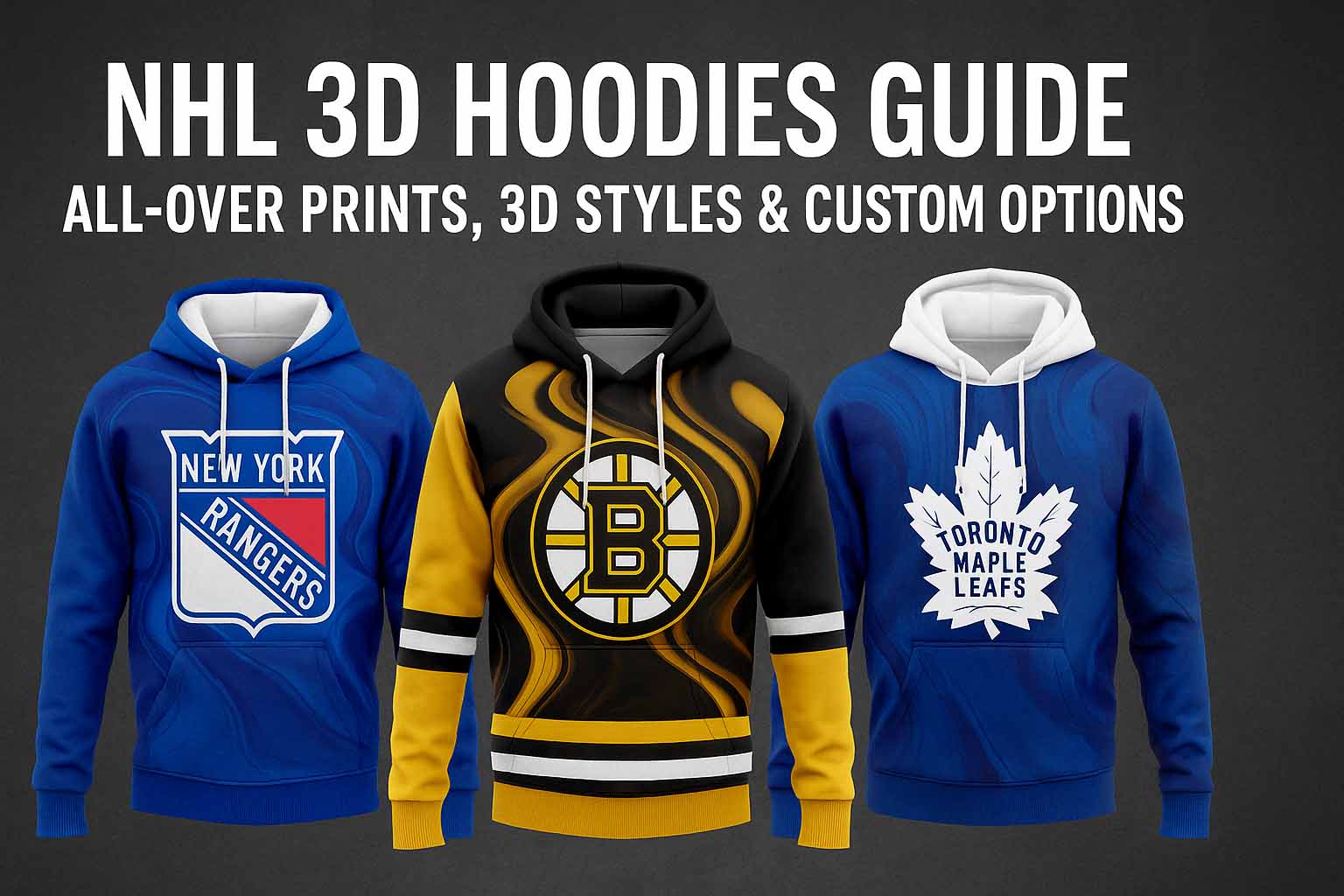
An NHL 3d hoodie represents one of the most visually expressive categories in modern hockey fan apparel. Unlike traditional fleece hoodies that rely on chest logos or small graphics, 3D hoodies use all-over printing techniques to create immersive designs that wrap across the entire garment. For fans who value individuality, bold visuals, and contemporary streetwear aesthetics, this style offers a distinct alternative within the broader NHL-inspired hoodie landscape.
This guide explores how 3D hoodies are made, what differentiates them from other hoodie types, how customization works in a POD environment, and when this style makes the most sense for comfort, fashion, and game-day wear.
See more: Types of NHL Hoodies: Pullover, Zip-Up, 3D Print & Jersey Styles
What Is an NHL 3D Hoodie?
To understand the appeal of 3D hoodies, it helps to clearly define what sets them apart from standard printed hoodies. While the name “3D” suggests depth or texture, it primarily refers to the visual effect created by full-surface printing.
Rather than focusing on a single logo or graphic, 3D hoodies use complete design coverage to create a more immersive, high-impact look.
How 3D hoodies differ from standard hoodie designs
Traditional hoodies typically feature front-only prints, embroidery, or small graphic placements. In contrast, 3D hoodies rely on all-over print techniques that allow artwork to span the front, back, sleeves, and hood.
This approach creates the illusion of depth, motion, and dimension, especially when gradients, repeating patterns, or layered graphics are used. The result feels more dynamic than a flat, centered design.
Because the entire garment is involved in the design, planning and execution play a much larger role in achieving a clean final product.
Why fans are drawn to 3D hoodie styles
Fans who choose 3D hoodies often want apparel that stands out visually. These hoodies feel more expressive and personal, making them popular for game days, watch parties, and casual social settings.
The style also appeals to younger audiences and streetwear enthusiasts who value statement pieces over subtle branding.
In a POD context, 3D hoodies offer creative freedom that is harder to achieve with traditional printing methods.
All-Over Print Technology in NHL 3D Hoodies
The foundation of every 3D hoodie is all-over print technology. Understanding how this process works helps explain both the strengths and limitations of the style.
Print method, fabric choice, and heat application all influence durability, comfort, and visual clarity.
What is an all-over print hoodie?
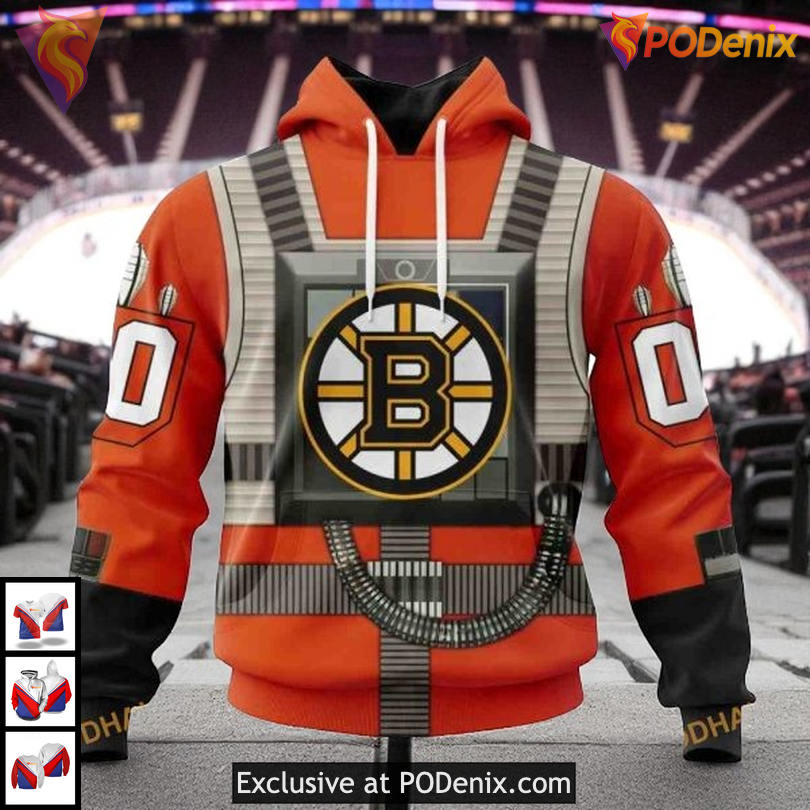
An NHL all over print hoodie is produced by printing artwork onto fabric panels before the garment is fully assembled. This allows designs to extend seamlessly across seams and structural elements.
The most common method used is dye sublimation, which infuses ink directly into synthetic fibers rather than sitting on top of the fabric.
This process results in prints that do not crack or peel, making them ideal for complex, high-coverage designs.
Fabric types commonly used for 3D hoodies
Most 3D hoodies are made from polyester or polyester-blend fabrics. These materials bond well with sublimation ink and support vivid color reproduction.
Compared to cotton fleece, synthetic fabrics tend to feel lighter and smoother, with better moisture resistance but slightly less natural warmth.
Choosing the right fabric balance is essential for maintaining comfort during extended wear.
Visual Design Styles of NHL 3D Hoodies
One of the biggest advantages of 3D hoodies is the range of visual styles they support. Designers are not limited by placement constraints, allowing for greater experimentation.
These styles can be broadly divided into bold graphic designs and more restrained, pattern-based approaches.
Graphic-heavy and expressive fan-art designs
Some 3D hoodies feature large-scale artwork inspired by hockey culture, motion, and energy. These designs may include abstract interpretations of team colors, aggressive line work, or stylized imagery.
This approach creates maximum visual impact and works best for fans who want their hoodie to function as a centerpiece outfit item.
Because the design dominates the garment, these hoodies are often paired with neutral pants and footwear.
Pattern-based and balanced 3D styles
Not all 3D hoodies are loud. Many use repeating patterns, tonal gradients, or subtle textures to create depth without overwhelming the outfit.
These designs appeal to fans who want something visually interesting but still wearable on a daily basis.
Pattern-based 3D hoodies often blend more easily into casual wardrobes.
Custom NHL 3D Hoodies and Personalization Options
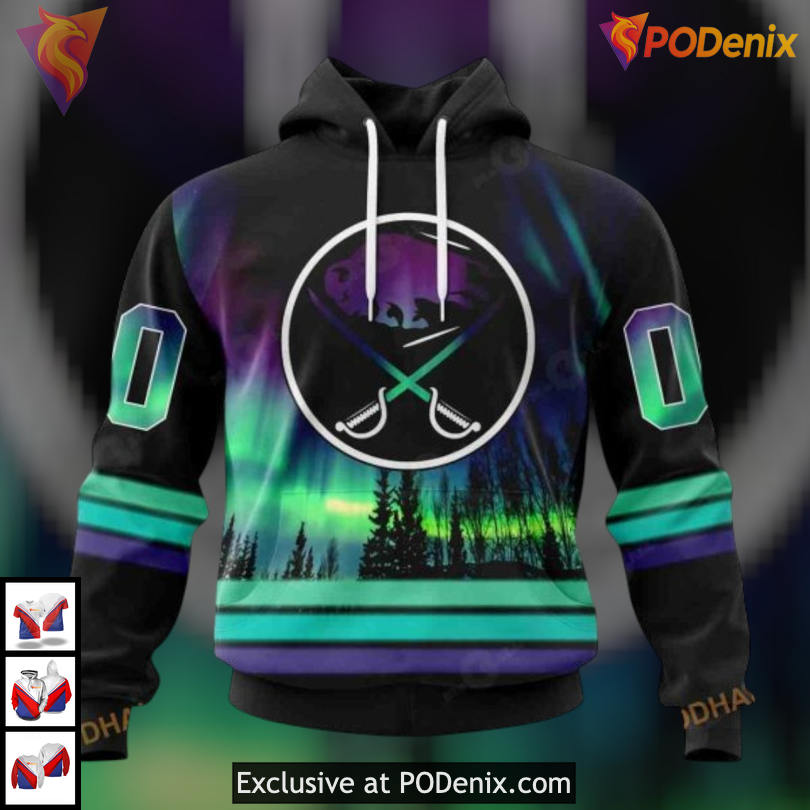
Customization is a major reason fans choose 3D hoodies, especially in a POD environment. Full-surface printing makes personalization feel integrated rather than added on.
This flexibility allows fans to create hoodies that feel unique and meaningful.
What customization typically includes
Customization options often include adding a name, nickname, number, or short phrase into the overall design layout. An NHL hoodie custom name feature allows these elements to feel like part of the artwork rather than an afterthought.
Because customization is digital, it can be adjusted precisely for scale, placement, and color harmony.
This makes custom 3D hoodies especially popular as gifts or group apparel.
Who should consider a custom 3D hoodie
Fans who want a one-of-a-kind item often gravitate toward custom NHL hoodies, particularly for milestones, birthdays, or special events.
Customization also works well for families or fan groups seeking coordinated but personalized designs.
The ability to individualize apparel strengthens emotional connection to the garment.
Fit, Comfort, and Wearability of 3D NHL Hoodies
Despite their visual focus, comfort remains a critical factor when choosing a hoodie. 3D hoodies differ slightly in feel compared to traditional fleece options.
Understanding these differences helps set realistic expectations.
How 3D hoodies fit compared to fleece hoodies
Because most 3D hoodies use synthetic fabrics, they often feel smoother and slightly thinner than cotton fleece hoodies. This can result in a lighter overall weight.
The fit is usually consistent with standard hoodie sizing, though some designs may feel less stretchy depending on fabric composition.
Fans who prefer a relaxed fit may consider sizing up, especially for layering.
Layering considerations for game day
3D hoodies work well as outer layers in mild to cool conditions. In colder environments, they can be layered over thermal shirts or under jackets.
Because they are visually bold, many fans choose to keep other layers minimal to avoid visual clutter.
This makes them versatile for both indoor arenas and casual outdoor settings.
When an NHL 3D Hoodie Is the Best Choice
While 3D hoodies are not ideal for every situation, there are specific scenarios where they excel.
Understanding these use cases helps fans decide when this style is most appropriate.
Game day and arena environments
For fans who want to stand out in the crowd, a bold NHL 3d hoodie offers strong visual presence. It performs especially well in indoor arenas where extreme insulation is not required.
The lightweight nature of many 3D hoodies makes them comfortable for long games.
They are also popular for televised games and social media content.
Streetwear and casual daily use
Outside the arena, 3D hoodies function as streetwear pieces. Their expressive designs align with modern casual fashion trends.
Fans often incorporate them into everyday outfits rather than reserving them solely for hockey events.
This dual-purpose appeal increases their overall wear value.
3D Hoodies Compared to Other NHL Hoodie Types
Comparing 3D hoodies to other styles helps clarify their role within the broader hoodie ecosystem.
Each type serves different priorities.
3D hoodies vs classic pullover and zip-up hoodies
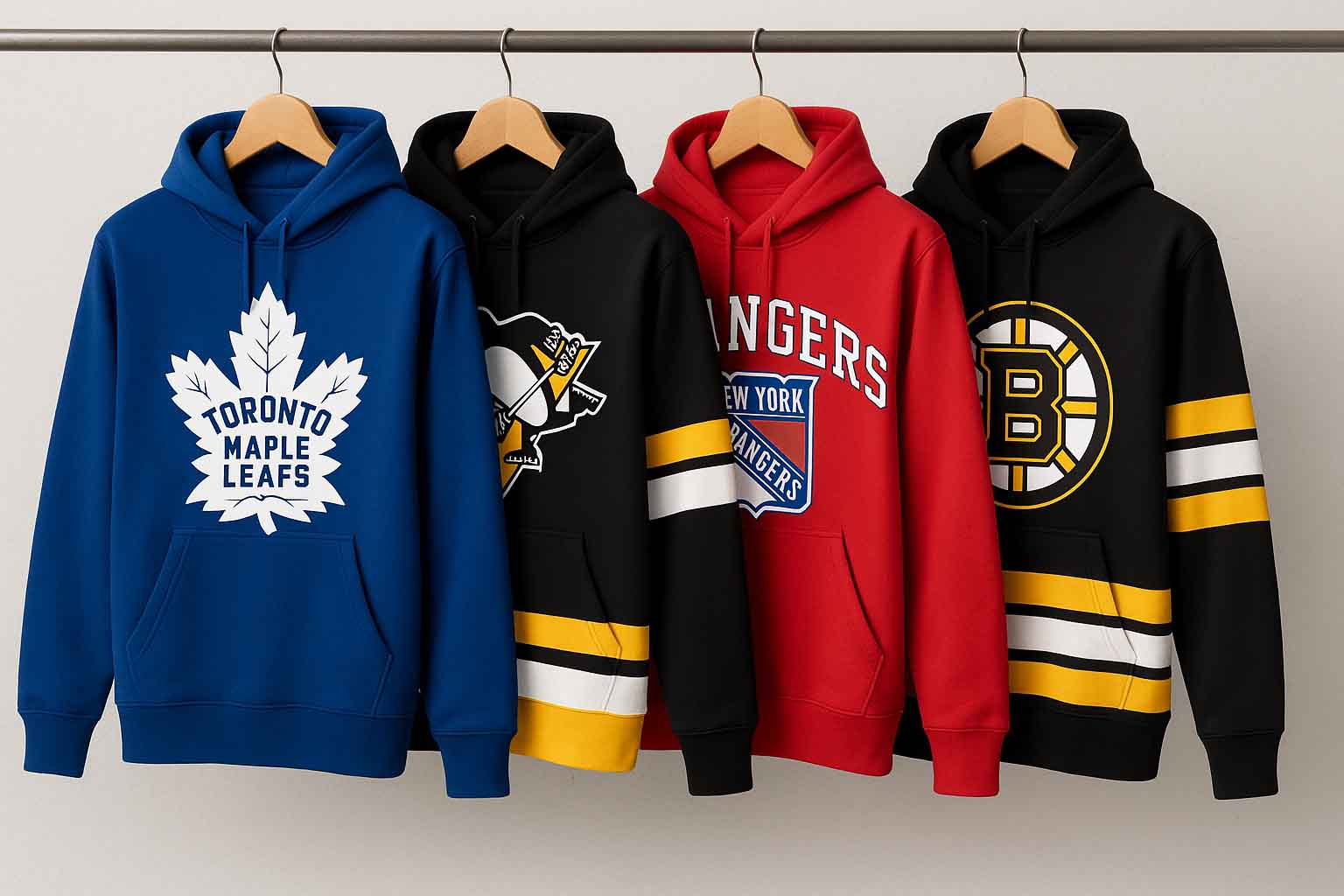
Classic hoodies emphasize warmth and simplicity, while 3D hoodies prioritize visual impact. Pullovers and zip-ups often feel thicker and more traditional.
3D hoodies trade some insulation for expressive design, making them better suited for moderate temperatures.
This distinction helps fans choose based on climate and styling goals.
3D hoodies vs vintage-inspired designs
Vintage styles focus on nostalgia and muted tones, whereas 3D hoodies embrace modern aesthetics. Fans choosing between them often decide based on personal identity rather than function.
Those drawn to heritage aesthetics may prefer NHL vintage hoodies, while others favor contemporary designs.
Both categories coexist without replacing each other.
Care and Maintenance for NHL 3D Hoodies
Proper care ensures that colors remain vibrant and fabric integrity is preserved over time.
Because 3D hoodies rely on specialized printing, care habits matter.
Washing and drying best practices
Cold washing and turning the hoodie inside out helps protect the printed surface. Mild detergents are recommended.
High heat should be avoided, as it can degrade synthetic fibers over time.
Air drying or low-heat tumble drying helps maintain shape and color.
Preserving print quality long term
Storing 3D hoodies away from direct sunlight reduces fading. Avoiding abrasive surfaces also helps prevent fabric wear.
With proper care, all-over prints remain visually strong for extended use.
This durability supports the long-term value of POD apparel.
Common Questions About NHL 3D Hoodies
What makes a 3D hoodie different from a regular hoodie?
A 3D hoodie uses all-over printing to create full-surface designs rather than limited front graphics.
Are all-over print hoodies comfortable for long wear?
Yes, especially in moderate temperatures, though they may feel lighter than fleece hoodies.
Can I personalize a 3D NHL hoodie?
Customization options often include names or numbers integrated into the design.
Do 3D hoodies fade over time?
With proper care, sublimated prints maintain color well and resist cracking.
When might a 3D hoodie not be ideal?
Extremely cold outdoor environments may require heavier fleece or layered options.
Sources
General reference on apparel printing and sublimation methods: https://www.printful.com/blog/what-is-sublimation-printing
Related Posts:
