

NHL Gift Ideas
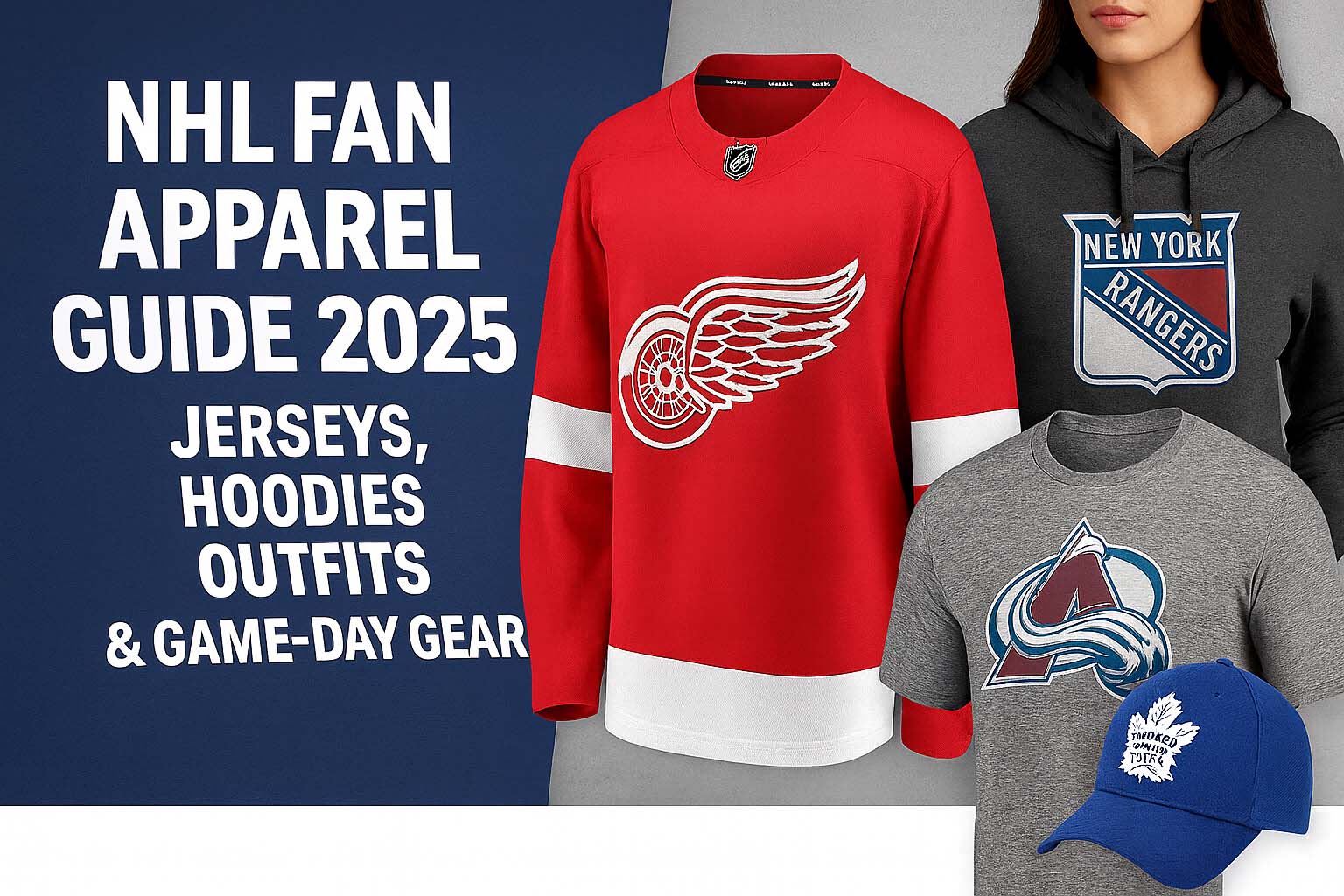
NHL Apparel Guide 2025: Jerseys, Hoodies, Outfits & Essential Fan Gear
Dec
What Counts as NHL Apparel in 2025?
NHL apparel includes any officially licensed clothing and accessories that carry NHL or team branding. This ranges from jerseys and hoodies to jackets, hats, scarves, gloves, and lifestyle items such as T-shirts, polos, joggers, and loungewear. In 2025, the market is split between performance-oriented gear, everyday streetwear, and retro-inspired collections.
For fans, apparel has two main functions. First, it communicates allegiance to a specific team or player. Second, it provides practical comfort in different conditions: cold arenas, outdoor rinks, watch parties, or casual wear throughout the winter months. A well-built wardrobe balances visual identity with warmth, durability, and versatility.
Officially licensed vs. unlicensed products
Officially licensed products are produced under agreement with the NHL and its teams. They follow branding rules and usually feature higher-quality fabrics, stitching, and printing. Unlicensed or counterfeit products may be cheaper but often suffer from inaccurate logos, poor fit, and short lifespans after repeated washing. When purchasing core pieces such as jerseys and premium hoodies, it is usually worth prioritizing licensed apparel from reputable retailers.
Core categories of fan apparel
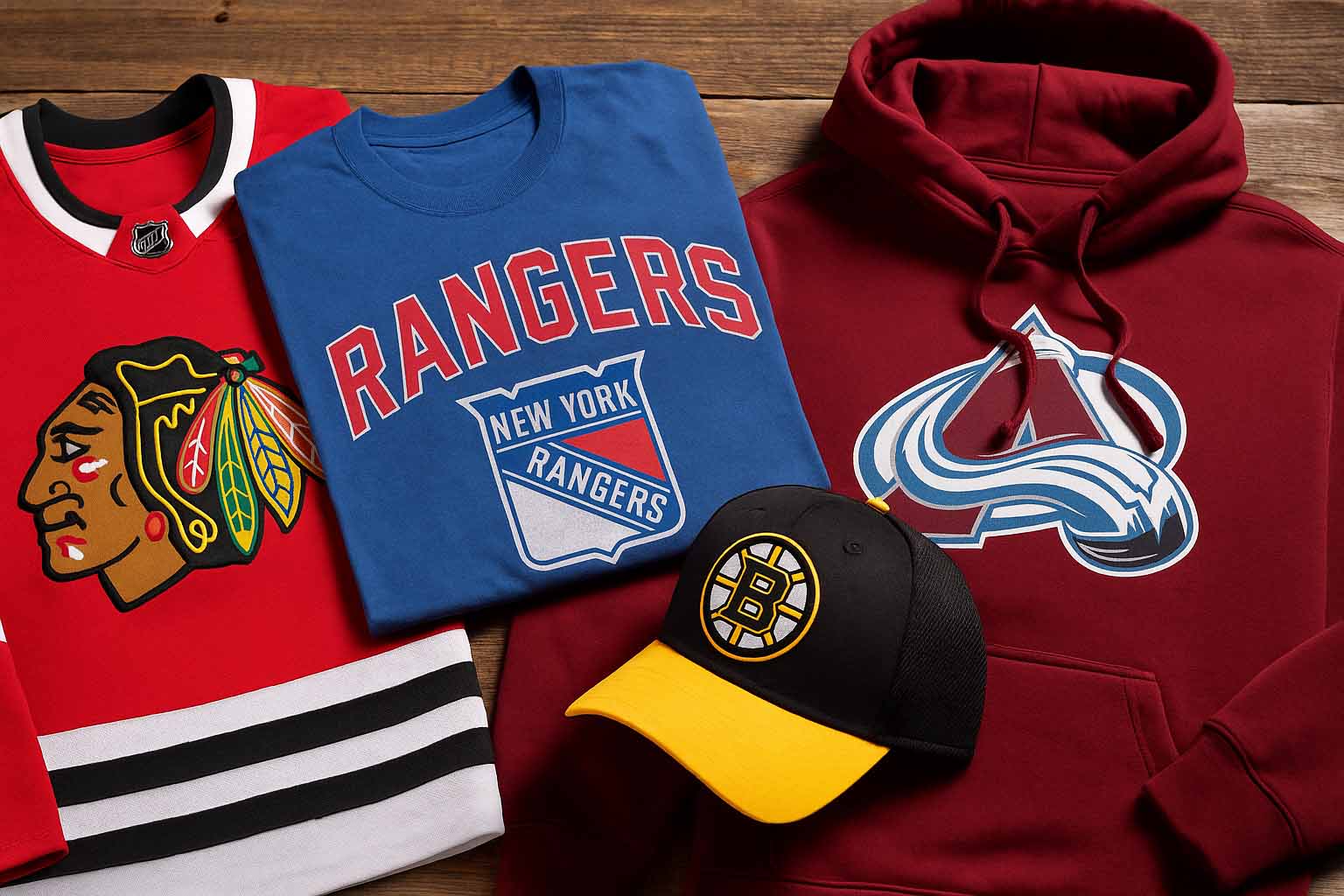
Most fans build their wardrobe from a few fundamental categories: jerseys, hoodies, T-shirts, jackets, and headwear. Jerseys and hoodies form the visible foundation of game-day outfits, while jackets and accessories adjust for temperature. T-shirts and training tops extend your support into gym sessions and everyday errands, ensuring your team identity is not limited to game nights.
Understanding the Game Experience Before Choosing Apparel
To choose effective clothing, it helps to understand what attending or watching an NHL game actually feels like. Temperature, game length, and pacing all influence what you should wear and how you should layer your outfit.
Game length and overall time commitment
New fans often search for how long are NHL games because they want to know how long they will be sitting in the arena or watching from home. A standard game includes three periods, intermissions, potential overtime, and stoppages for commercial breaks. From arrival to departure, attending a game frequently occupies an entire evening, which makes comfort and layering essential considerations for your apparel.
Structure of the game on the ice
Understanding how many periods in an NHL game also helps frame your expectations. The sport is built around three twenty-minute periods, and in-person attendance includes significant time between periods for walking around the concourse, buying food, or simply stretching your legs. These cycles of sitting, standing, and moving mean your clothing should feel comfortable in multiple positions, not just when you first take your seat.
Arena temperature and comfort
Many new attendees are surprised to learn that arenas can feel significantly cooler than outdoor temperatures or indoor settings they are used to. It is common to see fans asking whether are NHL games cold because ice quality and player performance require a controlled environment. This is why hoodies, midweight jackets, and layered outfits are so prominent in the stands, even when the weather outside is relatively mild.
NHL Season Structure and What It Means for Your Wardrobe
The NHL season runs across fall, winter, and spring, which means your clothing strategy must adapt to changing weather and different points in the schedule. How often your team plays and when the season starts and ends can influence how many pieces of apparel you realistically need.
Number of games across the season
Fans frequently look up how many NHL games in a season when budgeting for tickets or planning outfits. Over dozens of games, it is unrealistic to rely on a single jersey or hoodie. Rotating between multiple tops—home colors, alternates, and neutral layers—keeps your wardrobe fresh and gives you flexibility for varying temperatures.
Start of the regular season
Understanding when does the regular season start for NHL helps you time your purchases. Buying heavy outerwear too early may not be necessary, while leaving merchandise shopping until mid-season can limit the sizes and designs available. Many fans aim to have at least one jersey and one hoodie ready before opening night so they can participate fully in early-season excitement.
Season end and late-season conditions
It is also common to ask is the NHL season over toward the end of spring, when regular-season games give way to playoffs. Late-season matchups may be crucial for standings and may also coincide with unpredictable weather in northern markets. Transitional jackets, lighter layers, and versatile hoodies become especially useful at this stage.
Teams, Markets and Color Schemes in NHL Apparel
The league’s structure and geographic spread shape the visual identity of NHL apparel. Knowing how many teams exist, where they are based, and how they are grouped will help you make sense of the color palettes and logo styles you see in stores and online catalogs.
Number of teams in the league
The base question many people start with is how many teams in NHL. This determines how many different branding packages and apparel collections are on the market. Each team maintains multiple uniforms and merchandise lines, and larger fan bases support deeper apparel offerings, including premium and limited-edition runs.
Canadian vs. U.S. markets
Because hockey has deep roots in Canada, fans often ask how many canadians on NHL teams or focus specifically on Canadian franchises when building a wardrobe. Apparel for teams in traditional hockey markets sometimes leans into heritage imagery and longstanding rivalries, while emerging markets focus more on modern designs and lifestyle-friendly styling.
Recognizing team identities
When you look up what are the NHL teams, you will see a full list of franchises, each with multiple logos, secondary marks, and historical variations. Understanding how your chosen team’s visual identity has evolved can help you decide whether you prefer current branding, throwback designs, or specialty uniforms tied to heritage events.
Playoffs, Intensity and Apparel Choices
The tone of NHL apparel changes as the season progresses. Playoff games carry more emotional weight, attract larger crowds, and often inspire more coordinated fan participation in the stands.
Timing of the playoffs
Many calendars and ticket plans revolve around when NHL playoffs start. Early-round games may occur while the weather is still cool, making heavier hoodies and jackets appropriate. As series drag into late spring, lighter layers and breathable fabrics become more important, especially for fans attending both home and away games.
How playoff format affects fan planning
Understanding how NHL playoffs work—from best-of-seven series to reseeding rules—helps fans anticipate how many potential game nights they might have. If your team advances through multiple rounds, you may end up wearing your gear far more often than during a regular month of the season. Investing in pieces that look good in photos and hold up well through repeated wear becomes a practical concern, not just a fashion preference.
Players, Salaries and Star-Driven Apparel
Player-focused apparel blends fandom with individual recognition. Name-and-number jerseys, player T-shirts, and themed hoodies connect your wardrobe to specific talent on the ice.
Roster size and player distribution
Fans curious about roster construction often look up how many players on an NHL team. This number shapes how many names appear regularly on jerseys in the stands. Some supporters prefer captains and star forwards, while others choose underrated role players or hometown favorites to stand out from the crowd.
High-profile contracts and merchandise demand
Big contracts frequently translate into higher visibility in stores, which is why many people ask who is the highest paid NHL player. These athletes tend to receive special merchandise lines, alternate jerseys, and signature apparel collections. Owning one of these items can feel like participating in a specific era of league history.
Veteran players and legacy apparel
Long careers and historic milestones often lead fans to research who is the oldest player in the NHL. Veteran stars with long tenures sometimes inspire retro-style jerseys or commemorative pieces. If you value longevity and leadership, apparel tied to these players can become long-term staples in your wardrobe rather than season-specific trends.
What to Wear to an NHL Game: Practical Outfit Strategies
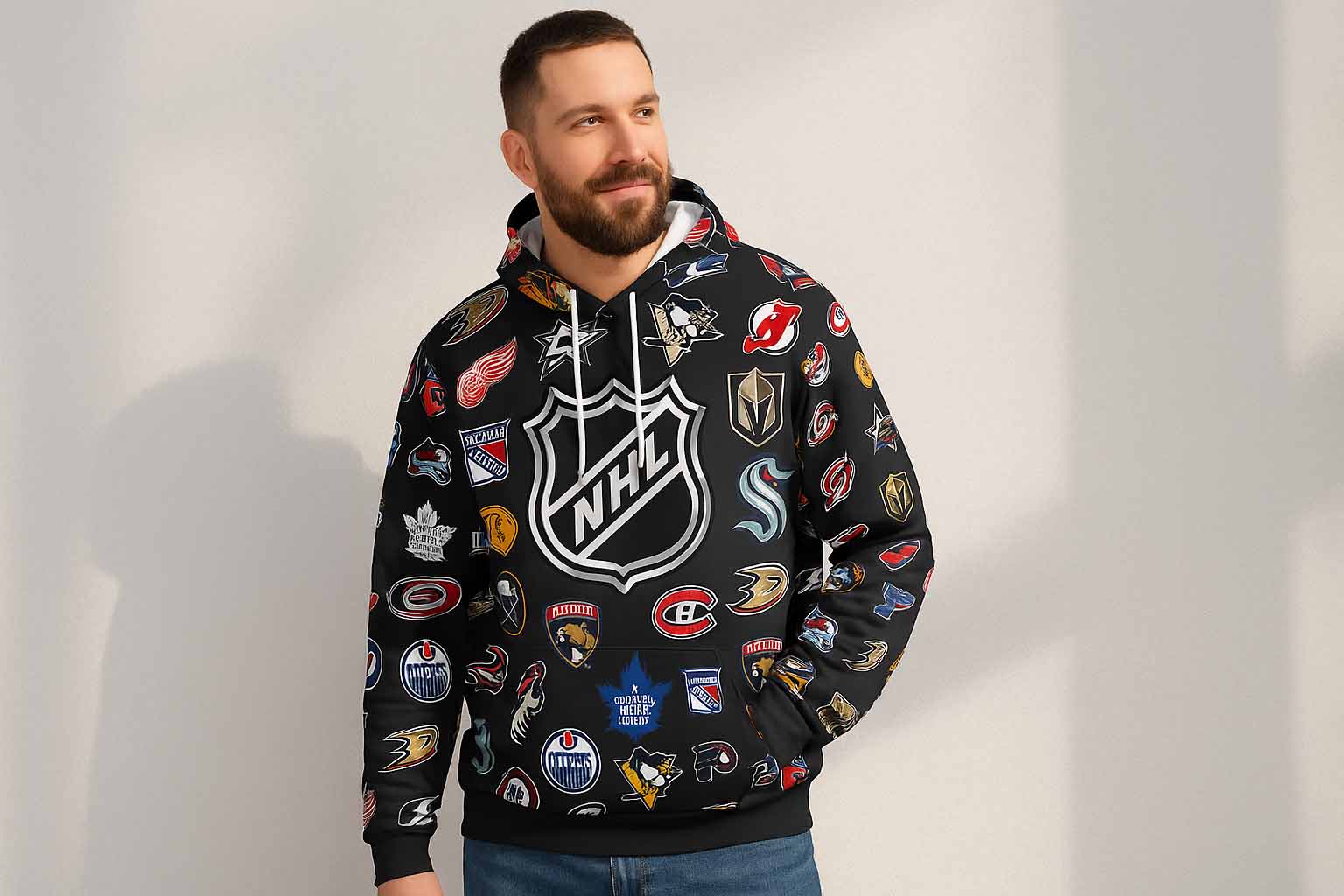
One of the most searched questions among newer fans is what to wear to NHL game. The answer depends on where you live, what arena you are visiting, and whether the game is indoors or outdoors, but some principles are widely applicable.
Layering from base to outerwear
A practical approach begins with a breathable base layer, such as a moisture-wicking long sleeve shirt, followed by a mid-layer hoodie or sweater. On top of that, you can wear a jersey for visual impact or a team jacket if you prefer a more subtle look. This structure allows you to adjust quickly if the arena feels colder or warmer than expected.
Balancing style and comfort
Your lower half should be as functional as your top. Jeans, joggers, or lined pants work well as long as they are easy to move in and comfortable for several hours of sitting. Footwear should prioritize stability and warmth over fashion alone. Cold feet or awkward shoes can undermine an otherwise well-planned outfit.
Coordinating outfits for families and groups
When attending games in groups, consider coordinating colors rather than forcing identical outfits on everyone. Matching hats or similar hoodies can create a unified look in photos without sacrificing individual comfort or taste. For children, ensure that apparel is not only team-branded but also appropriate for sitting still, climbing steps, and dealing with potential spills.
How to Build an NHL Wardrobe Without Overspending
A thoughtful approach to purchasing apparel can save you money while still giving you a wardrobe that feels complete and flexible. Not every fan needs a large collection; careful selection of a few high-impact items often works better than impulsive purchases.
Prioritizing core pieces
Most fans are well served by owning at least one jersey, one quality hoodie, a hat or beanie, and a layering jacket that works across different temperatures. Additional items—retro jerseys, alternate designs, or special-event gear—can be added gradually over time as your budget allows.
Timing purchases across the season
Early in the season, new arrivals are plentiful, but discounts are rare. As the year progresses, certain pieces move to clearance, especially if a team changes design elements or misses the playoffs. Planning your purchases around these cycles helps you secure both selection and value.
Balancing emotional purchases with long-term use
It is easy to buy apparel on emotion after a big win or milestone. Before committing, ask whether the item will still feel relevant in a few seasons. Classic team logos, neutral colors, and simple designs tend to age better than highly experimental or year-specific pieces tied to a single event.
Bringing Your NHL Apparel Strategy Together for 2025
Building a smart apparel collection for NHL fandom in 2025 is not about owning everything. It is about understanding the league, the season, the teams, and your own preferences well enough to choose the right pieces. By combining functional layering with thoughtful selections, you can feel prepared for regular-season games, playoff runs, and everyday wear.
As you explore more detailed resources on specific topics—such as game structure, season length, team lists, playoff timing, and roster rules—you will be able to connect each apparel choice to the bigger picture of the NHL calendar and culture. That depth of understanding turns clothing from simple merchandise into a meaningful extension of your relationship with the sport.
Frequently Asked Questions About NHL Apparel
Do I need both a jersey and a hoodie for the NHL season?
You do not need both, but having one of each covers more situations. Jerseys are ideal for visible team representation, while hoodies provide warmth and comfort for colder arenas or casual days. Many fans layer the two together when temperatures drop.
How many pieces of NHL apparel should a new fan start with?
A reasonable starting setup is one jersey, one hoodie, a hat or beanie, and one versatile jacket. This combination gives you enough flexibility for different temperatures and occasions without requiring a large upfront investment.
Is it worth paying extra for authentic jerseys?
Authentic jerseys offer higher-quality construction, closer alignment with what players wear, and more detailed features. However, well-made replica jerseys can still look excellent at a lower price point. The choice depends on your budget, how often you plan to wear the jersey, and how much you value the technical details.
How can I tell if an NHL apparel item is counterfeit?
Warning signs include blurry logos, inconsistent fonts, poor stitching, missing size or brand tags, and prices that are far below standard retail for current-season products. Buying from official team stores, established sports retailers, or well-known brand websites reduces the risk significantly.
Can I wear NHL apparel as everyday streetwear?
Yes. Many modern designs are intentionally styled to work as streetwear. Pair jerseys or hoodies with neutral pants and clean sneakers for a balanced look that feels appropriate outside of game days. Minimalist logo pieces are especially versatile for daily use.
Related Posts:
