

NHL Gift Ideas
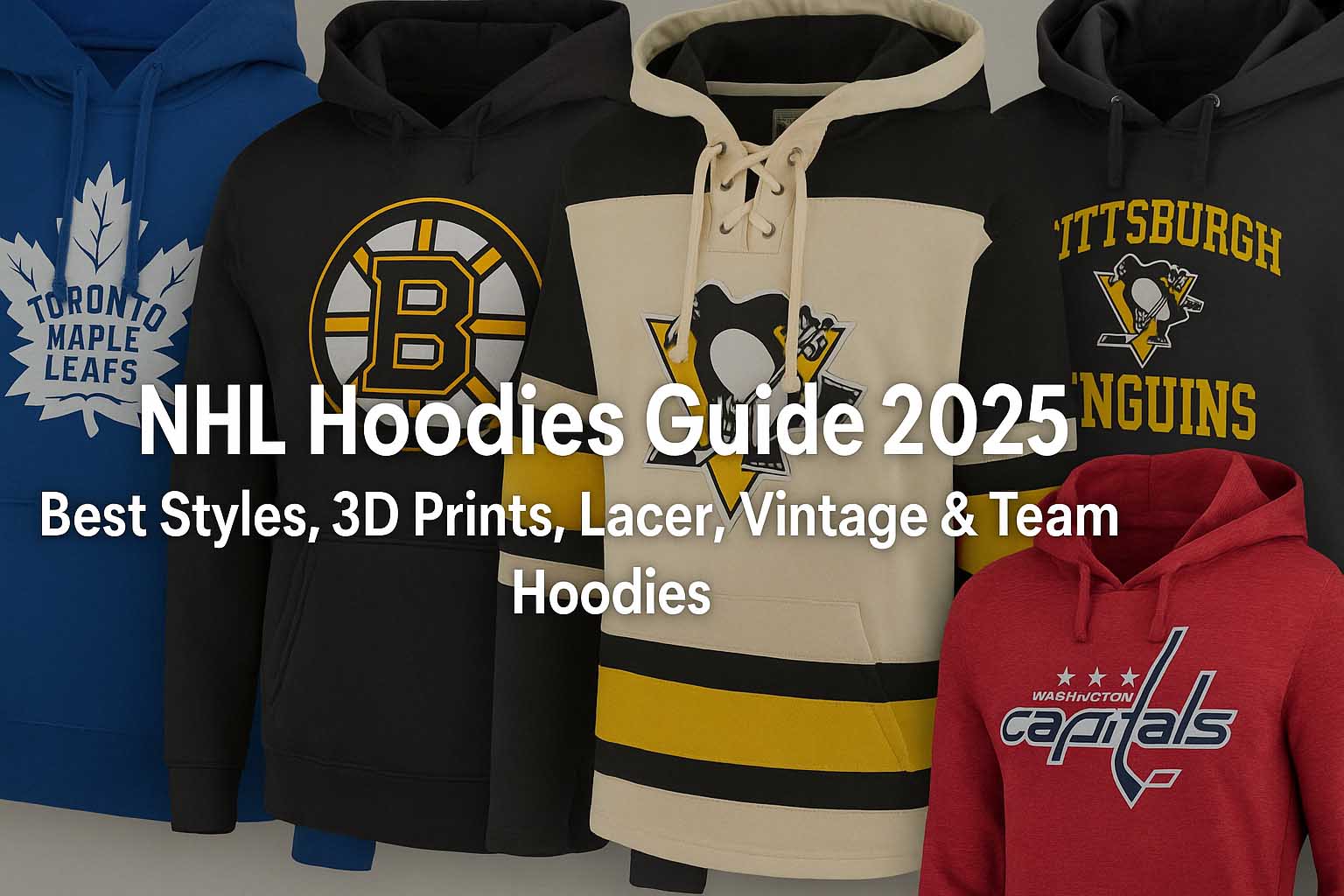
NHL Hoodies Guide 2025: Best Styles, 3D Prints, Lacer, Vintage & Team Hoodies
Dec
The 2025 landscape for NHL hoodies blends performance materials, evolving print technologies, and lifestyle-driven fashion trends. Hoodies have become more than cold-weather fan gear: they are identity pieces, collectible apparel, and everyday staples for supporters who want comfort and bold team representation. This comprehensive guide explores every major style—from 3D all-over prints to lacer, vintage, team, logo, and custom variants—while also integrating technical insights on construction, fit, sizing, and merchandising. Internal cluster signals are placed naturally to help editors create seamless interlinking across the broader content hub.
Understanding the modern NHL hoodie landscape
NHL apparel has expanded beyond jerseys into year-round hoodie categories that merge on-ice tradition with streetwear influences. Fans now expect high-quality materials, durable prints, and silhouettes that feel as comfortable in arenas as they do in daily wear. As the category grows, so does the diversity of styles, with brands experimenting across silhouettes, fabrics, color systems, and graphic approaches.
Why hoodies became a year-round staple
Hoodies transitioned from winter-only apparel to all-season essentials because they accommodate layering while staying visually impactful. Fans wear them for travel, social events, and game nights, relying on their warmth without the rigidity of a jacket. Modern hoodie designs prioritize breathability, fleece softness, and durable stitching to support frequent use.
Merchandising teams also benefit: hoodies offer excellent margin, broad sizing applicability, and creative space for storytelling—especially when extending into special events like Stadium Series matchups, anniversary seasons, or rivalry games.
From a design system perspective, hoodies are a natural progression from jerseys because they allow for alternative interpretations of team branding, such as mascot-driven graphics, heritage striping, or simplified minimal forms.
Key categories in today’s market
Consumers increasingly explore varied hoodie types rather than sticking to one default silhouette. This rising interest encourages brands to produce category-specific narratives, such as comparing lightweight poly blends with heavyweight brushed fleece. To help cluster editors build future content, we reference core terms like types of NHL hoodies once and use them naturally within product-relevant contexts.
As with any major apparel ecosystem, separating categories by print method, fit, and intended use allows fans and merch designers to make better decisions and reduces returns caused by misunderstood expectations.
In 2025, designers frequently use classic NHL visual DNA—retro striping, bold shield logos, mascot art, and clean geometric arrangements—to differentiate each category visually without disconnecting from tradition.
Consumer expectations and buying behavior
Fans buying hoodies expect long-lasting fabric quality, colorfastness, accurate team branding, and well-documented sizing guidance. This is especially relevant for newer categories like sublimated 3D hoodies, where synthetic blends require different washing protocols.
At the same time, buyers want apparel that translates across lifestyle contexts, from game-day energy to casual weekend outings. This is why versatile silhouettes and balanced design choices—neither too loud nor too minimal—perform well commercially.
Professional retailers understand that clarity on materials, construction, and intended use can dramatically reduce returns and increase trust, especially among first-time buyers.
3D all-over print hoodies: bold, expressive, high-impact
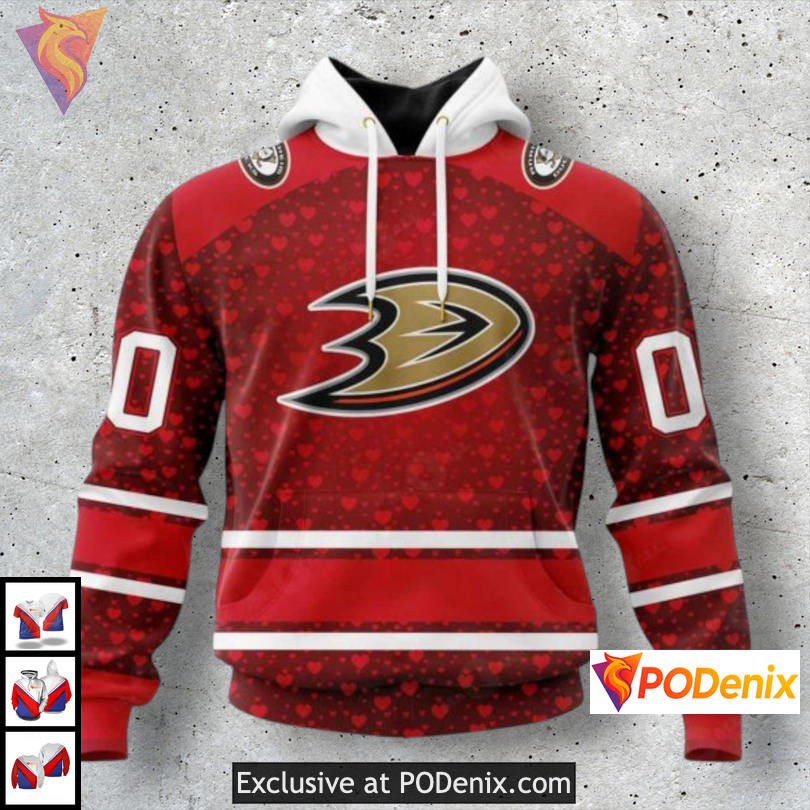
All-over sublimated 3D prints represent the most visually dramatic category in modern NHL apparel. These pieces leverage full garment coverage to showcase gradients, mascots, geometric patterns, and narrative themes in ways impossible with standard screen printing. This section helps merch teams and fans understand production details, performance characteristics, and practical styling methods for the modern NHL 3d hoodie.
Production and print methodology
3D hoodies rely on sublimation, a process where dye turns into gas and bonds with polyester fibers. Unlike screen printing, sublimation leaves no texture on the surface, enabling edge-to-edge detail with vibrant depth. Designers must carefully align artwork across sleeves, hood panels, and torso sections to ensure continuity when worn.
Sublimated hoodies typically use midweight polyester blends to maintain structure while supporting color bonding. The key metric here is wash testing: brands should validate color retention after 10, 20, and 30 wash cycles before approving a production run.
When executed properly, sublimated graphics offer exceptional longevity and maintain vibrancy far longer than ink-on-fiber print systems.
Use cases and styling impact
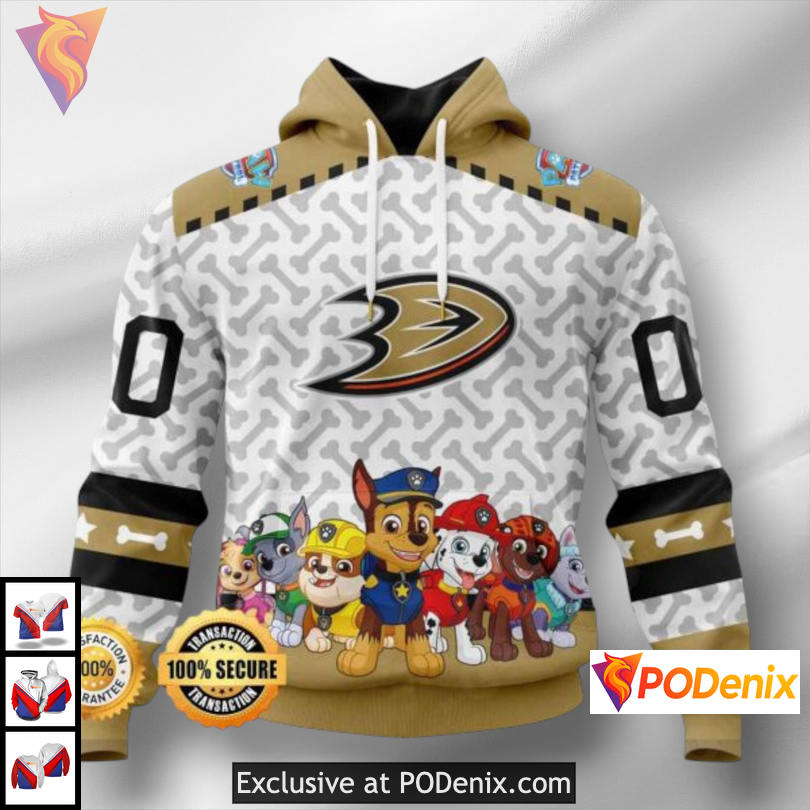
3D hoodies excel in environments where visual expression matters: outdoor games, rivalry nights, fan meetups, or content creation settings. Because they feature heavy graphic density, fans often pair them with neutral bottoms to maintain outfit balance.
For game day, staff and videographers prefer 3D hoodies for influencers or featured fans because the color saturation reads well on camera. Their synthetic structure also supports moisture wicking, helpful for extended indoor wear.
For everyday outfits, styling a 3D hoodie with solid sneakers or Crocs creates a clean contrast that still highlights the hoodie’s expressive artwork.
Care and durability guidelines
To retain vibrancy, sublimated hoodies must be washed cold, inside-out, and air-dried or tumble-dried low. Excess heat may degrade pigment bonding over time. Unlike cotton prints, sublimated graphics rarely crack; however, poor wash habits can create early fading.
Brands should clearly label care instructions and offer content explaining sublimation so buyers understand what makes 3D hoodies unique. This reduces confusion and increases customer satisfaction.
The long lifespan of sublimated pieces makes them ideal for limited drops or commemorative designs where longevity and collectability matter.
Lacer hoodies: hockey tradition reinterpreted
Lacer hoodies carry the legacy of lace-up hockey jerseys, offering a classic look with hearty warmth for cold venues. The category caters to fans who love heritage aesthetics and want apparel that feels authentic to the sport’s roots. A lacer hoodie NHL design blends functional fleece materials with historic lace-up detailing to create a hybrid garment perfect for nostalgic supporters.
Construction details and material engineering
Lacer hoodies commonly use 320–360 GSM fleece or heavy poly-cotton blends to maintain structure. Reinforced seams, ribbed cuffs, and lined hoods provide durability for repeated arena wear. Lace-neck construction is both visual and functional, enabling minor ventilation adjustments.
Some brands include applique patches or embroidered striping that mimic jersey aesthetics. Accurate team palettes remain crucial: heritage pieces must reflect authentic colors for legitimacy and collector appeal.
Fit matters because heavier materials may restrict mobility if poorly designed. Arm articulation and shoulder width must balance warmth with comfort.
How and when to wear a lacer hoodie
Lacer hoodies are excellent for winter games, outdoor matchups, alumni events, and retro-themed nights. Their heavier feel makes them suitable for lower-bowl seating where cold air settles.
Fans often pair lacer hoodies with denim, boots, or lined sneakers to reinforce the rugged hockey aesthetic. Layering a thermal base underneath ensures comfort without compromising silhouette.
Families appreciate the durability of lacer hoodies for children, as reinforced stitching withstands play and repeated laundering.
Care and garment preservation
Because lacer hoodies use heavier fabrics, they benefit from low-heat drying or line drying to maintain loft. Excessive heat may shrink cotton-rich blends, so gentle care is recommended.
Brands should provide instructions explaining how to maintain appliques, prevent pilling, and preserve embroidery structure. Proper care ensures multi-season use.
Retailers may consider publishing maintenance guides to support buyers and reduce accidental garment damage.
Vintage and retro hoodies: timeless, nostalgic, collectible
Vintage hoodies borrow aesthetics from past decades—washed fabrics, softened logos, retro stripes, or throwback mascots. Unlike modern graphic pieces, vintage designs rely on warmth of character rather than brightness of color. Fans gravitate toward NHL vintage hoodies for their authenticity, emotional pull, and ability to express connection with team history.
Design traits that define vintage appeal
Retro hoodies often feature distressed inks, garment washes, or softened fleece to create a lived-in feel. Designers use pigment dyes and muted tones to mimic natural fading. Subtle cracking or abrasion adds credibility when done intentionally and sparingly.
Silhouettes may lean toward boxy fits or cropped lengths depending on era inspiration. Fans who prefer understated styles appreciate vintage hoodies for their quiet identity expression.
Retro logos, anniversary crests, and classic fonts reinforce the nostalgic narrative, appealing strongly to long-time supporters.
Marketing timing & collector strategy
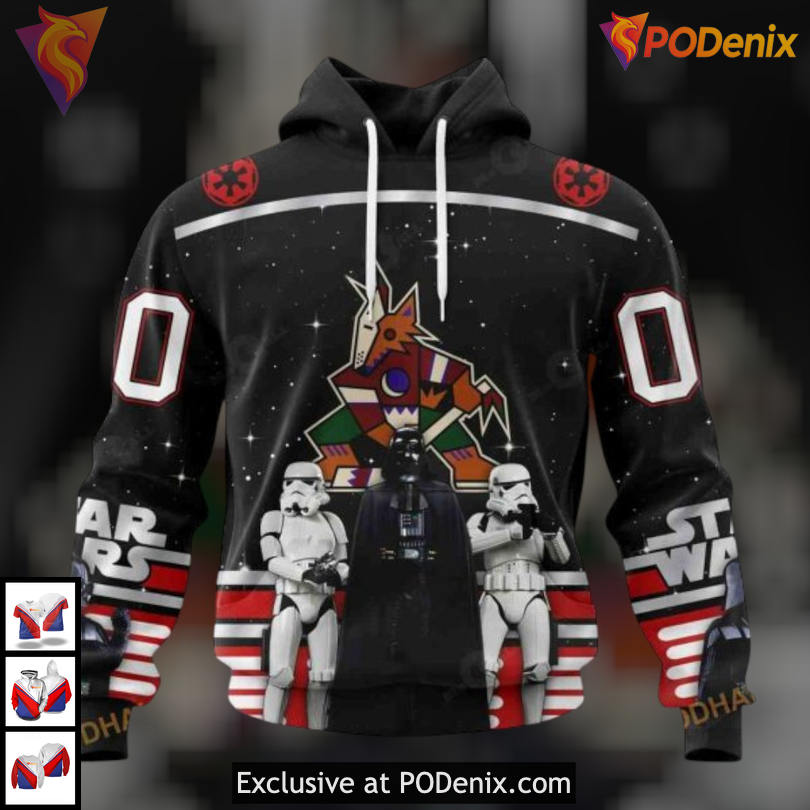
Vintage drops perform exceptionally well during anniversaries, hall-of-fame inductions, or commemorations of historical team moments. Fans perceive retro apparel as meaningful artifacts rather than mere merchandise.
Limited production runs increase desirability, especially if paired with serialized tags or story-driven packaging. Small-batch vintage releases also minimize supply risk.
Collaborations with local artists or historians deepen authenticity and help pieces resonate emotionally.
Care management for vintage aesthetics
Vintage garments are sensitive to harsh detergents and high-heat drying. Advise gentle wash cycles and air drying to maintain intended patina. Excessive washing may prematurely alter distressed finishes.
Collectors often store vintage items separately from everyday hoodies to avoid abrasion. Use acid-free tissue or breathable garment bags for preservation.
Brands should include clear care messaging to maintain aesthetic fidelity and customer satisfaction.
Logo and team hoodies: identity, visibility, and versatility
Logo-based apparel remains core to NHL merchandise strategy. Whether minimal embroidery or oversized shields, fans consistently purchase logo staples thanks to their timeless appeal. A well-executed NHL logo hoodie forms the foundation of many wardrobes, while bolder designs serve high-visibility game-day roles.
Minimal logo aesthetics
Subtle chest embroidery or small shield prints suit fans looking for everyday wear without loud graphics. These styles blend seamlessly into lifestyle outfits, making them ideal for casual Fridays, campus environments, or weekend outings.
Manufacturers must ensure embroidery thread consistency, stitch density, and accurate color mapping to maintain quality.
Offering neutral colorways broadens appeal, enabling fans to pair these hoodies with diverse wardrobes.
Oversized and high-impact logo styles
Oversized crest hoodies provide instant recognition in arenas and stand out clearly in televised or social content. Screen-printed logos require high-opacity inks to prevent washout under stadium lighting.
Fans who enjoy bold styling gravitate toward oversized logos for comfort and presence. These hoodies also serve as reliable gifting options.
Brands should verify that large logo prints maintain elasticity across fabric stretch points to prevent cracking.
Team hoodies and franchise identity
A well-designed team hoodie balances color accuracy, logo placement, and structural integrity. Fans rely on NHL team hoodies to showcase loyalty during playoffs, rivalry games, and travel.
Teams often release seasonal variations—alternate logo versions, blackout editions, heritage colorways—to sustain interest throughout the year.
Providing consistent sizing and fit notes across team hoodies reduces confusion and builds trust among returning customers.
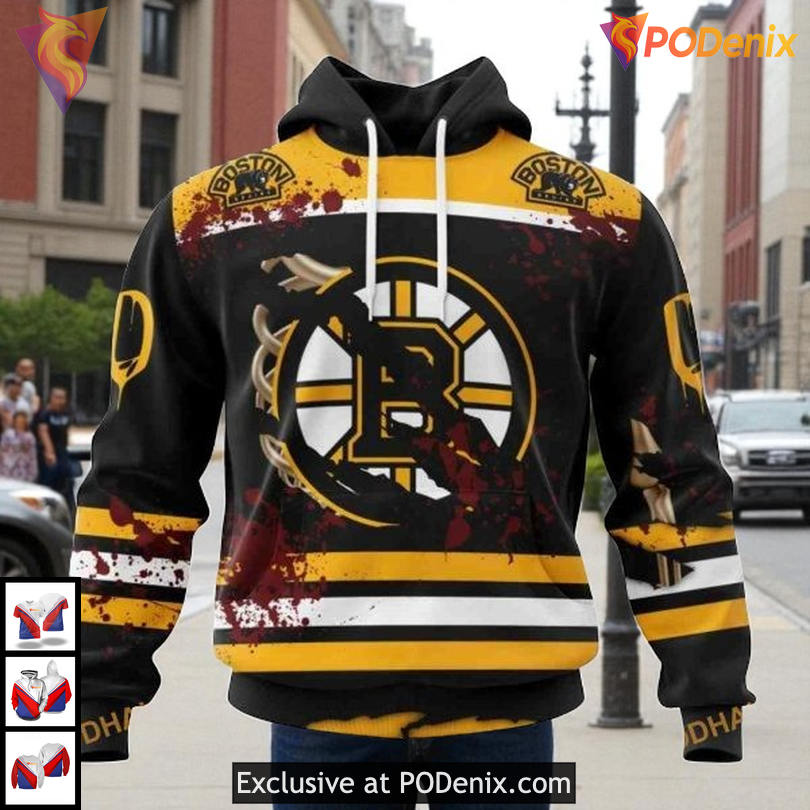
Player-themed, brand, custom & specialty hoodies
The expansion of personalization and celebrity influence has created demand for player-driven, custom-built, and brand-aligned hoodies. This section organizes these specialty lines as the category matures.
Player-inspired pieces and aesthetic influence
Player-specific designs highlight iconic numbers, signatures, slogans, or stylized portraits. Modern NHL player hoodies rely on screen printing or high-resolution DTG printing for clarity and durability.
These pieces allow fans to celebrate individual athletes rather than general team identity. Younger audiences respond particularly well to expressive player art.
Brands must secure proper licensing rights for name-and-number usage to avoid IP conflicts.
Brand-driven collections and collaborations
Collaborations with major manufacturers elevate hoodie quality through premium materials and construction. For example, an adidas NHL hoodie line may incorporate proprietary fabrics, moisture-wicking tech, or upgraded trims.
Brand-led drops often accompany jerseys or special-edition uniforms, creating synergy across categories.
These collaborations elevate perceived value and justify premium pricing points.
See more: Best NHL Hoodie Brands Compared: Adidas, CCM, Fanatics, 47 Brand & Champion
Customization, personalization & niche styles
Personalized apparel gives fans creative expression through names, numbers, slogans, or custom art. A custom NHL hoodies workflow typically uses DTG or heat-transfer vinyl for one-off orders.
Customization makes excellent gifts and strengthens fan engagement, especially for youth segments.
Teams and retailers should provide clear customization guidelines to ensure proper placement and avoid design imbalance.
Budget, all-star, blanket & youth categories
Beyond premium apparel, lower-priced essentials and specialty silhouettes round out the ecosystem. These categories serve families, casual buyers, and fans seeking comfort-focused apparel.
Budget-friendly offerings
Value-tier hoodies prioritize affordability while maintaining acceptable print quality. Many fans rely on cheap NHL hoodies for casual daily wear or as backups for travel and unpredictable weather.
Retailers should balance affordability with durability, ensuring stitching and fabric thickness remain functional.
Communicating value transparently prevents misconceptions about quality expectations at lower price points.
All-Star & limited-event releases
Special events like All-Star Weekend inspire unique silhouettes and colorways. An NHL all star hoodie often features exclusive patches, metallic prints, or gradient color transitions reflecting event branding.
Fans appreciate these pieces for collectability and uniqueness. Designers should explore experimental prints that differ from regular-season items.
Limited quantities maintain excitement and reduce leftover inventory.
Blanket hoodies and comfort silhouette
Oversized blanket hoodies offer maximum warmth and comfort for home use or extremely cold outdoor games. These NHL hoodie blanket pieces rely on high-pile fleece or sherpa materials.
They suit fans who value comfort over structure, offering roominess and insulation without compression.
Brands should verify fabric pilling resistance and seam durability for longevity.
Youth-focused selections
Families drive significant hoodie demand, and NHL youth hoodies must address safety, durability, and ease-of-cleaning. Shorter drawstrings, reinforced seams, and stain-resistant finishes are recommended for children.
Youth drop schedules often coincide with back-to-school campaigns, making cohesive color assortments advantageous.
Teams should provide matching adult/kid versions for coordinated family outfits.
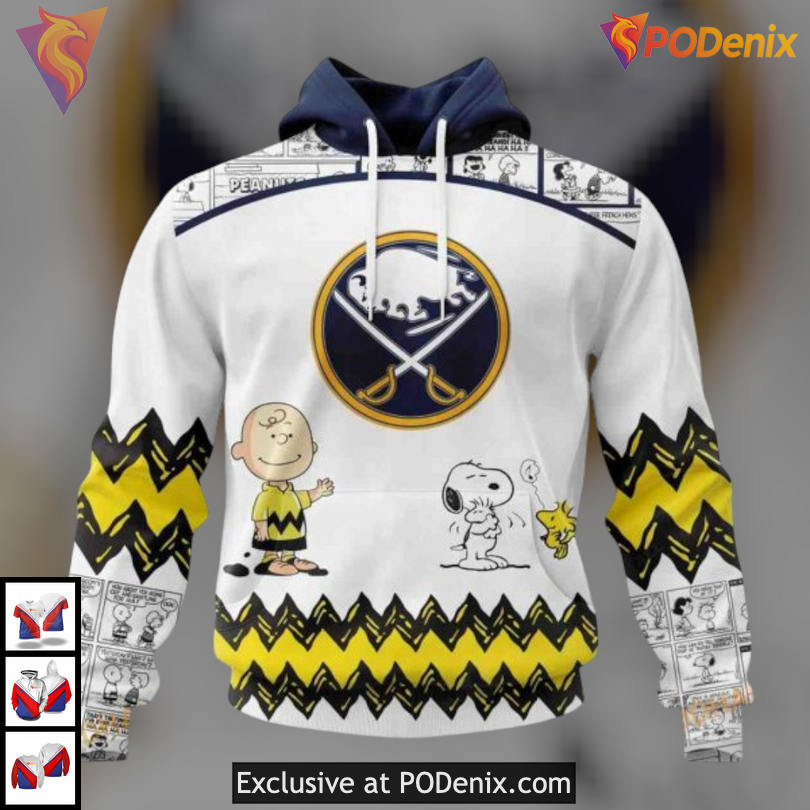
Fit, sizing and outfit coordination
Fit accuracy greatly affects buyer satisfaction. Transparent sizing charts, model references, and layering logic reduce returns and boost confidence. Many fans coordinate hoodies with game-day outfits or streetwear ensembles, making styling guidance valuable.
Understanding fit categories
Athletic fits accommodate layering without bulk, while regular fits offer universal appeal. Oversized silhouettes align with modern streetwear trends and allow for expressive styling.
Fit clarity is critical for premium or heavy hoodies, where stiffness or weight may influence comfort.
Retailers should provide precise measurements rather than generic descriptions to help shoppers match preferences.
Layering logic and seasonal adjustment
Fans layering hoodies over jerseys should size up one or two increments to achieve comfortable mobility. Those preferring slim streetwear fits should select true-to-size options unless the garment runs small by design.
Climate matters: lightweight polyester hoodies suit warmer conditions, while heavyweight fleece serves winter games.
Merch teams can increase conversion by offering clear seasonal filtering options in product catalogs.
Styling cues and visual composition
Because many clusters link to dedicated styling pages, we reference NHL hoodie outfit here to position the hoodie as a core element of cohesive game-day apparel.
Fans commonly pair hoodies with joggers, taper-fit denim, or cargo pants depending on venue and weather. Accessories like beanies or scarves reinforce team colors.
Influencers often highlight footwear synergy—neutral sneakers, branded Crocs, or team-color accents to harmonize with hoodie palettes.
Jersey-hybrid hoodies and special constructions
Hybrid hoodie-jersey silhouettes emerged to combine comfort with the on-ice aesthetic of team jerseys. These pieces offer alternative fits but maintain authentic design language. A modern NHL jersey hoodie incorporates elements like shoulder yokes, team striping, or lace-front collars without sacrificing fleece comfort.
Construction strategy and design parameters
Hybrid hoodies require thoughtful material selection to replicate jersey shape while retaining hoodie flexibility. Designers may incorporate mesh paneling or reinforced shoulders to mimic authentic gear.
High-quality hybrids use embroidery, tackle-twill numbering, or sewn-on patches to elevate construction beyond standard hoodies.
Brands should manage expectations clearly: hybrids are stylish, comfortable alternatives—not substitutes for official jerseys.
Performance and wearability
Hybrids suit fans seeking authenticity without the cost of stitched jerseys. Their midweight feel provides comfortable insulation while maintaining structure across repeated use.
Retailers should emphasize breathability and layering potential in product descriptions to attract year-round buyers.
Visual clarity from patches and stitched details enhances perceived value in merchandising environments.
Care and longevity
Because hybrids may include appliques or twill letters, gentle wash cycles and low-heat drying preserve integrity. Detailed care guidance prevents warping or peeling.
Brands should outline maintenance expectations during purchase to ensure premium longevity.
Professional cleaning may be recommended for limited-edition hybrid runs or collaborated designs.
Where to buy & authenticity verification
Understanding where to purchase ensures fans receive legitimate merch with accurate colors and official licensing. Buying channels vary in selection, price, and authenticity guarantees.
Official retailers and trusted partners
Fans seeking guaranteed authentic apparel should begin with league stores, team shops, and official brand partners. These channels maintain licensing compliance and provide reliable quality control. The NHL’s official shop offers verified merchandise
D2C brand stores often carry exclusive styles unavailable elsewhere, including collaborations or limited 3D releases.
Retail stores present opportunities for tactile evaluation, helpful for determining fit and comfort.
Marketplace considerations
General marketplaces provide variety but require caution. Shoppers should verify seller ratings, product photos, and licensing markings before purchasing.
Counterfeits often lack accurate color mapping, hologram tags, or high-quality stitching.
Retailers must proactively manage infringement reports to safeguard IP and maintain brand trust.
Price-to-value reasoning
Buyers should evaluate material weight, print method, and construction quality to determine pricing fairness. Premium pieces justify higher prices due to superior fabrics or limited-edition status.
Budget-focused shoppers can find value in basic logo staples, while collectors often invest in special releases.
Understanding the trade-off between cost and durability ensures informed purchasing decisions.
Common Questions About NHL Hoodies
What is the warmest NHL hoodie type?
Heavyweight fleece and lacer constructions provide the best insulation due to higher GSM and thicker interiors.
Are sublimated 3D hoodies durable?
Yes—sublimation bonds dye into fibers, resulting in long-lasting color when washed properly.
How should I choose the right size?
Check chest, length, and sleeve measurements and consider whether the hoodie will be layered over jerseys or base layers.
What makes a hoodie authentic?
Licensed patches, official color palettes, hologram tags, and consistent branding confirm authenticity.
Do custom hoodies last as long as standard ones?
Yes—if produced with quality DTG or vinyl transfers and cared for according to brand guidelines.
