

NHL Gift Ideas
What to Wear to an NHL Game (Fan Apparel Guide)

Dec
Deciding what to wear to an NHL game affects comfort, mobility, and how you enjoy the full experience—from tailgating or transit to cheering in the final minutes. This guide is written for fans who want practical advice (layers, footwear, arena rules) and for those who sell or design fan gear: Hoodie 3D (all-over print), Crocs, and Hawaiian shirts are discussed in detail so you can wear them well without compromising comfort or compliance with venue policies.
See more: NHL Hoodies Guide 2025: Best Styles, 3D Prints, Lacer, Vintage & Team Hoodies
Understanding the arena environment and what it means for clothing
Most NHL arenas are climate-controlled to protect the ice surface. That control creates microclimates where temperatures vary between the playing surface, the lower bowl, and the upper seating. Knowing the environment helps you pick the right layers and footwear so you’re comfortable from puck drop to the last horn.
Because ice maintenance requires cool ambient temperatures, fans sitting close to the glass usually feel colder than those higher up. Crowd density, cheering intensity, and intermission movement also change how warm you feel over a three-hour event—so plan for fluctuation rather than uniform conditions.
Do arenas feel cold near the ice?
Many fans ask are NHL games cold and the honest answer is: sometimes. Arena temps are typically in the low-to-mid 60s°F (around 15–18°C) for spectators, but proximity to the ice and drafts near the boards make lower-bowl seats feel chillier.
If you’re sitting glass-side or in the lower bowl, expect a noticeable temperature difference and bring an insulating mid-layer or light jacket. For upper-bowl seats, the effect is reduced and breathable layers often suffice.
How seating location changes your clothing needs
Lower-bowl and rink-side seats require more consideration: thermal socks, a warmer mid-layer, and sometimes thin gloves make a real difference. Upper-level seats and suites benefit from the heat generated by crowds; here you might prefer lighter layers for flexibility.
Consider how you’ll arrive and depart. Outdoor transit in winter requires a heavier outer layer that you can compress or leave at your seat. Some fans bring a compact stadium-approved bag for easy storage of extra layers.
How long you’ll be in the arena and why that matters
Hockey games typically last around three hours, including intermissions, with the potential for overtime. Fans who stand and cheer regularly may generate body heat, while those who remain seated can feel the chill. The question how long are NHL games matters because it determines how many temperature changes and movements you’ll experience—plan clothing you can adapt during the event.
Bring layers you can easily add or remove. A light hoodie compresses into a bag, but a heavy parka is cumbersome in crowded concourses. Practicality wins over fashion when you’ll be in one venue for multiple hours.
Layering strategy: the single most reliable approach
Layering gives you immediate control over microclimate comfort. A three-part system—base layer, mid-layer, and optional outer—works for most fans and most arenas. The right materials and fit are as important as the number of layers.
Think about breathability and moisture management. You’ll be cheering, moving, and possibly sprinting for the restroom or merchandise kiosks; fabrics that wick are preferable to cotton, which retains moisture and becomes cold.
Base layers: materials and fit
Your base layer should be thin and moisture-wicking. Merino wool or synthetic performance fabrics work well for both warmth and sweat management. Avoid cotton as it traps moisture and chills you when damp.
Fit matters: a slightly snug long-sleeve base allows you to wear jerseys or hoodies over it without bulk. If you plan to wear a Hawaiian shirt for style, wear a fitted performance tee underneath to avoid clamminess in warm sections.
Mid-layers: hoodies, fleeces, and the Hoodie 3D advantage
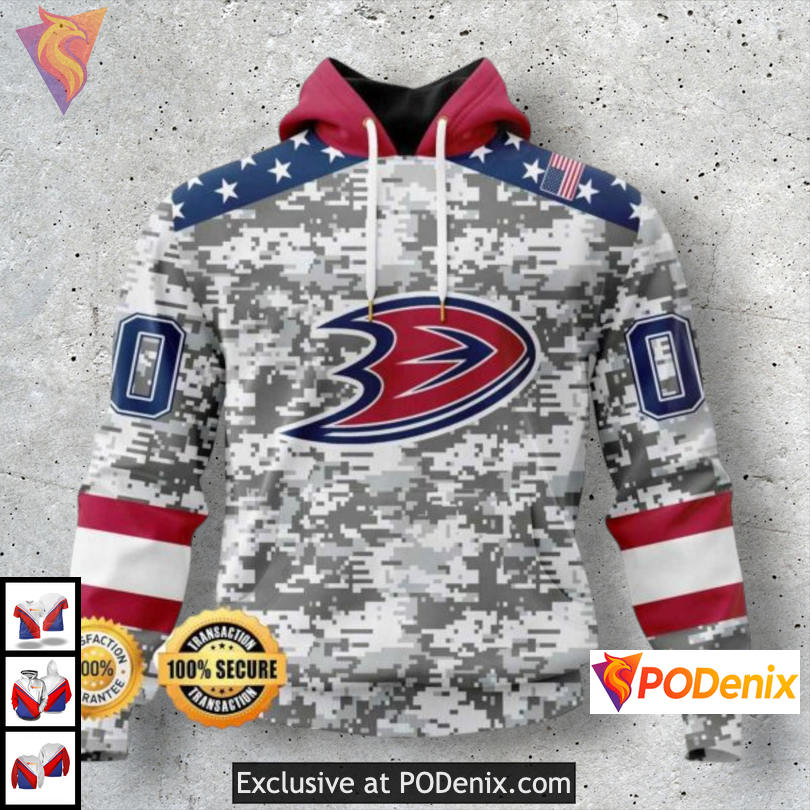
Mid-layers provide insulation and are the easiest to adjust. A fleece or hoodie is a universal mid-layer for hockey games. This is the sweet spot for Hoodie 3D (all-over print) pieces: they combine visual impact with practical warmth and are lightweight enough to remove and store easily.
Hoodie 3D all-over print garments are particularly effective when designed from performance fabrics—breathable, quick-drying, and able to compress. Wear a long-sleeve base under the hoodie for extra warmth in cooler seating and remove the hoodie when the arena fills and you heat up.
Outer layers: when you need them
Outer layers are situational. For outdoor transit or stadium-series games, a windproof insulated jacket is essential. In standard indoor arenas, a packable shell or light insulated jacket is usually sufficient and avoids overheating once you’re inside.
Choose an outer layer that packs small so you can leave it under your seat or carry it in a compact bag without blocking aisles or views.
Team apparel and how to style it with your statement pieces
Team gear is central to the game-day look. Jerseys, hoodies, hats, and scarves are traditional choices. The goal is to show team pride while maintaining practical temperature control and freedom of movement.
For sellers and designers, combining official jerseys with branded Hoodie 3D pieces creates a visually striking option for younger fans and influencers—function plus style sells well in arenas.
How to layer a jersey with a Hoodie 3D
Wearing a jersey over a fitted base layer and a lightweight Hoodie 3D creates a layered, contemporary look. If the hoodie is the visual focus, wear the jersey unzipped or draped to avoid overheating and to keep the 3D print visible for photos.
Design note: Hoodie 3D pieces with team colors or complementary patterns balance fan authenticity and streetwear appeal while remaining warm enough for lower-bowl seating.
Hawaiian shirts: when and how to wear them at games
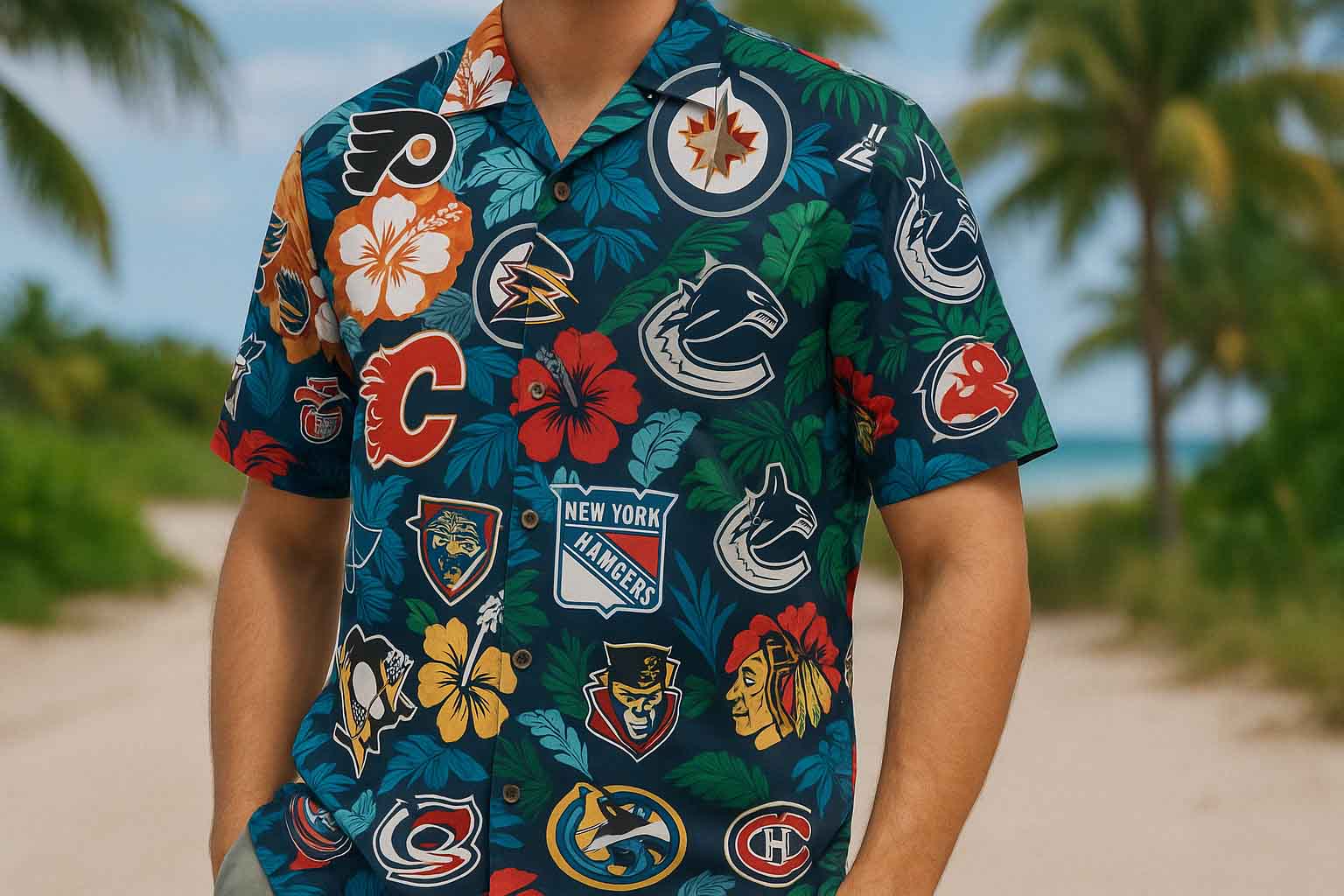
Hawaiian shirts are a great choice for warmer arenas, preseason outdoor events, or fans who prefer a casual, photo-friendly look. They work best as a top layer in warm settings or as a lightweight outer layer over a base when you expect moderate cold.
For mixed conditions, pair a Hawaiian shirt with a fitted long-sleeve base. Choose tropical prints that pick up team colors subtly for themed nights without appearing out of place.
How to use accessories for both style and function
Beanies, scarves, and knit gloves are small but impactful. They keep you warm while offering team branding opportunities and photo-ready accents. Scarves double as decorative items and additional insulation for lower-bowl seats.
Small, stadium-approved pouches or clear bags store accessories easily. Avoid large bags that slow security lines or violate arena policies.
Footwear: Crocs, sneakers, boots—choose by comfort and conditions
Footwear matters as much as upper layers. You’ll stand, walk, and navigate stairs; choose supportive, traction-friendly shoes that match expected weather and walking distances.
Crocs have become a fan-favorite for some crowds thanks to comfort and easy cleaning, while more traditional insulated sneakers or casual boots suit cold-weather transit.

Can you wear Crocs to a hockey game?
Yes, Crocs are acceptable in many arenas if they’re practical for the weather and provide reasonable traction. Crocs with plush liners or fur inserts give surprisingly good warmth without bulk. Pair Crocs with thick socks for cold-weather comfort.
However, avoid thin or slick-soled Crocs in icy or rainy walks to the arena; they can lack traction. For outdoor arrival in winter, switch to waterproof boots and carry Crocs as a secondary indoor option if you expect long walking distances inside the venue.
Shoes for colder climates and evening games
Waterproof casual boots with good insulation add warmth for outdoor transit and protect against slush and snow. Inside, swap to less bulky footwear if your legs or feet overheat while seated.
Look for shoes with slip-resistant soles due to polished concourse floors and stairways. Good arch support reduces fatigue, especially if you’ll stand for extended stretches during the match.
Footwear style tips for social-media-ready outfits
Custom Crocs with team-themed Jibbitz, bright sneakers that match your Hoodie 3D pattern, or clean retro trainers create an intentional aesthetic for photos. Fans focusing on looks sometimes pack a lightweight spare pair for pregame photos or postgame meetups.
But prioritize comfort—no pair is worth sore feet that spoil the experience.
Kids and family game-day dressing
Children lose body heat faster than adults, so parents should pack extra layers, hand warmers, and hats even when they feel fine. Lightweight, insulated layers and slip-on footwear help with quick transitions and restroom visits.
Coordinate comfort over style for toddlers; bring spare socks and a compact blanket if permitted. Keep all items easy to stow and retrieve during intermissions and crowded exits.
Layering tips for kids
Start with a moisture-wicking base, add a comfy mid-layer (like a hoodie), and finish with a packable outer layer. Gloves and beanies are inexpensive solutions that keep children comfortable during long stretches of sitting.
For infants, consider a thin insulated bunting that fits under a carrier or stroller—just check arena policies for stroller storage and movement during the game.
Footwear for kids
Kids benefit from easy on/off shoes. Crocs with liners work well for quick changes and for setting in concessions lines where they’ll need to remove or clean them quickly.
Ensure secure straps on all kids’ shoes to avoid slips on stairs and concourse areas, and consider non-marking soles to avoid scuffing seating areas if required by venue rules.
Practical organization tips for families
Use a compact clear bag for essentials: snacks (if allowed), wipes, a small first-aid kit, and an extra pair of socks. Keep a dedicated pocket for tickets and ID to speed security checks and re-entry when needed.
Plan for an early exit by designating a meeting spot and keeping phones charged—portable chargers are lightweight and highly recommended for family outings.
Game-day logistics: arena rules, bag policy, and safety
Security and bag policies vary by venue. Many arenas enforce clear-bag rules and limit sizes for health and safety. Check your arena’s official fan guide before packing to avoid delays or confiscations at security.
Pack compactly. A smaller, compliant bag reduces entry time and saves you the hassle of carrying bulky items inside a crowded venue.
Understanding clear-bag rules
Clear bags must meet posted dimensions and allow security to see contents quickly. Many venues allow one small clutch or a clear bag plus a small non-clear bag for medical items—verify your arena’s exact policy before traveling.
If you need to bring medication, carry documentation and inform staff at security so they can accommodate legitimate medical needs without delay.
Food, drink, and accessory rules
Most arenas restrict outside food and beverages but permit small snacks for infants or medical reasons. Check alcohol policies and re-entry rules if you plan to leave and return during intermission.
Avoid bringing large props or items that might block sightlines. Oversized signs, poles, or noisemakers are often prohibited; review the list of banned items ahead of time.
Safety tips for crowds and transit
Arrive early to avoid the rush and to pass security calmly. Identify exits and meeting points, especially if you’re in a group. In colder climates, plan warm-up stops before and after the event for family comfort.
Postgame exits can be congested; if mobility is a concern, ask venue staff about accessible exit options and time your departure to reduce wait times.
Outfit ideas for different fan styles
Whether you’re a first-timer, a family, or a style-conscious fan, there’s an outfit that balances warmth, team pride, and practicality. Below are curated combos that include Hoodie 3D, Crocs, and Hawaiian shirts without sacrificing comfort.
First-time fan: practical and simple
Wear a fitted performance base layer, a Hoodie 3D as your mid-layer, jeans or flexible pants, and supportive sneakers. Bring a compact shell if your route to the arena is exposed to cold weather.
Pack a small clear bag with essentials, and tuck gloves in a pocket in case your lower-bowl seat turns out colder than expected.
Family-friendly outfit
Parents: layer up with a mid-layer hoodie and an outer shell for transit; kids: thermal base, hoodie, and a hat. For footwear, pick comfortable, warm shoes for everyone—Crocs with liners are a practical option for children on indoor days.
Coordinate colors to spot each other easily in crowds and to make family photos look cohesive at the arena.
Stylish and social-media-ready
Use Hoodie 3D as the statement piece with a fitted base, slim jeans, and eye-catching footwear—custom Crocs or clean retro sneakers work here. For a summer or preseason vibe, a Hawaiian shirt layered over a long-sleeve performance tee can look sharp while remaining practical.
Choose bold prints and team-accent colors to stand out in photos, but prioritize breathability so you won’t overheat during chants and celebrations.
Common Questions About What to Wear to an NHL Game
Are NHL games cold?
A: They can be, especially close to the ice. Bring a mid-layer or light jacket if you’re in lower-bowl seats.
Should I wear a hoodie or jacket?
A: A hoodie (especially a Hoodie 3D all-over print) is a versatile mid-layer. Use a lightweight outer jacket for transit and store it under your seat if you warm up.
Can I wear Crocs to a hockey game?
A: Yes, many fans wear Crocs. For colder weather, choose Crocs with liners or wear thick socks. Avoid slick-soled versions in icy conditions.
Is it okay to wear a Hawaiian shirt inside?
A: Yes—when paired with a fitted long-sleeve base in cooler arenas. Hawaiian shirts work best in upper-bowl seats and summer events.
How do I pack for kids?
A: Bring extra layers, gloves, and a spare pair of socks. Keep essentials in a small clear bag and identify a meeting point in case of separation.
Source
Official NHL fan resources and arena policies: https://www.nhl.com
Related Posts:
