

NHL Gift Ideas
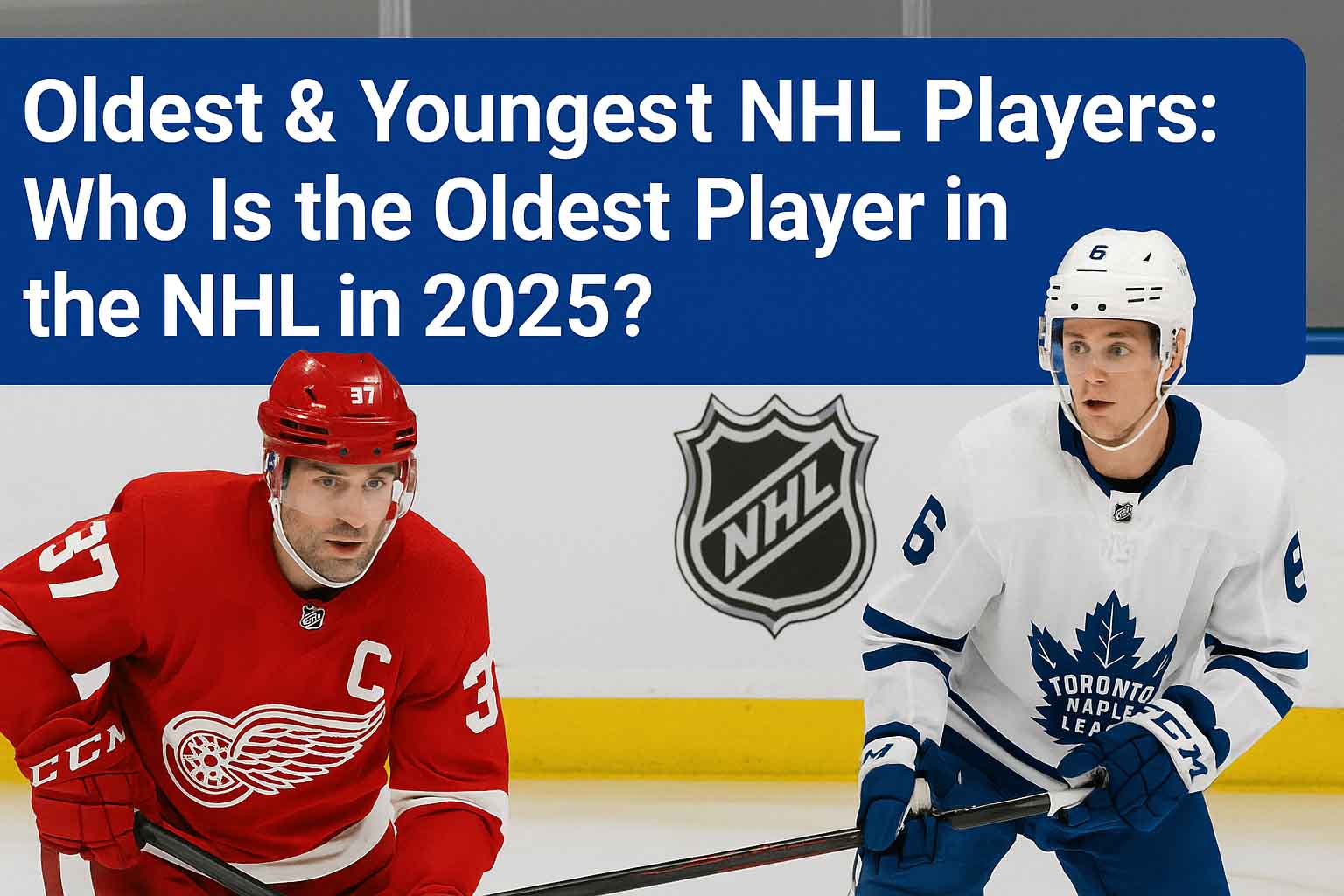
Oldest & Youngest NHL Players: Who Is the Oldest Player in the NHL in 2025?
Dec
This article answers the central question — who is the oldest player in the NHL in 2025 — while also profiling the youngest current players, examining historical longevity records, and explaining the science, equipment, and roster strategies that allow modern athletes to extend their careers. Expect data-driven context, practical examples, and clear takeaways for fans and analysts alike.
Age Trends in the Modern NHL
The NHL today features a wider spread of ages than casual observers often realize. Teams blend veteran leadership with youthful speed; the league’s average player age sits in the late 20s, but that number masks a distribution that includes teenagers and players nearing 40.
Longer careers are becoming more common due to improvements in sports science, nutrition, load management, and medical technology. Meanwhile, changes in league style — faster play, less clutch-and-grab physicality — have shifted how teams value different age groups.
The difference between mean and median age
When evaluating age data, mean and median tell different stories. The mean can be skewed upward by a few exceptionally old players, while the median reflects where the majority of the league sits. For roster construction and contract evaluation, median age is often more meaningful.
A median-driven understanding highlights the typical age of contributors across forward lines and defensive pairings, offering a more reliable indicator of developmental trends and aging curves.
Why some players enjoy unusually long careers
Certain athletes extend their careers far beyond expectations due to genetics, disciplined conditioning, and smart role adaptation. These players reduce physical wear by transitioning into more situational duties — penalty kill specialist, defensive-zone center, or power-play distributor.
Organizational structure also plays a role. Teams with strong medical departments, recovery programs, and a stable culture tend to support veteran longevity better than clubs undergoing frequent resets or coaching turnover.
How age influences roster strategy
Coaches carefully manage minutes to protect older players without sacrificing impact. Veterans may no longer dominate with speed, but their positional intelligence and stability can elevate a team’s consistency.
General managers must also align age distribution with cap strategy. Decisions about who to re-sign, trade, or promote from development pipelines reflect a club’s philosophy on balancing youth and experience.
Who Is the Oldest Active NHL Player in 2025?
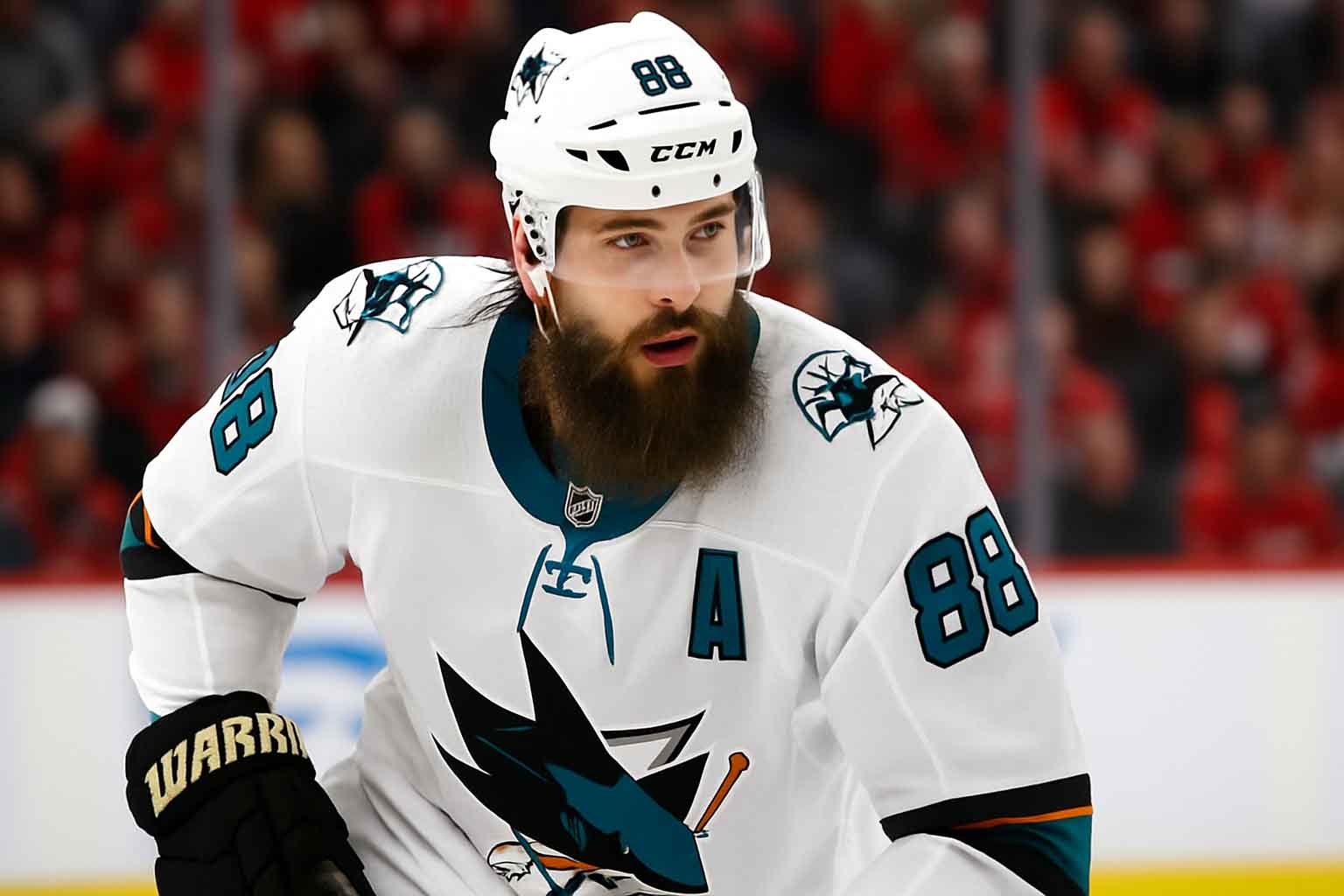
As of 2025, the oldest active rostered NHL player is Brent Burns, a veteran with a multi-decade career whose value persists due to experience, leadership, and strategic usage. Below are the typical attributes, patterns, and circumstances that keep such players in the league beyond age 38–40.
Profile of today’s oldest active NHL player
Older players who remain in the league tend to have exceptionally high hockey IQ, strong defensive instincts, and strong reputations as leaders. Their roles often shift from top-line minutes to specialized deployments built around their strengths.
Teams evaluate these players using advanced analytics: defensive-zone retrieval efficiency, expected goals impact, or microstats such as breakout success rate. Older players can still offer above-average impact in specific contexts even if their top speed declines.
Performance trends among late-career players
Shifts for veterans tend to become shorter but more efficient. Metrics often show lower counting stats (goals/assists) but improved or stable impact per minute due to better decision-making and positional play.
Playoff minutes frequently increase for these players because coaches trust them in tight-game situations. Their composure and experience become competitive assets that extend their careers beyond what raw athletic metrics might predict.
Non-performance factors that prolong careers
Leadership, mentoring young teammates, and cultural influence inside the locker room are intangible reasons teams keep veterans. A player who stabilizes team morale during losing streaks or who mentors the next generation can be as valuable as an extra goal every ten games.
Contract structures also matter. Short-term deals with manageable cap hits reduce organizational risk while rewarding players who still deliver situational value.
Historical Longevity in the NHL
The NHL’s record books include remarkable examples of athletes who played into their 40s — some even appearing in games past age 50 under unique circumstances. Understanding these careers helps contextualize modern longevity.
All-time records and the conditions behind them
Historical longevity records require context: different eras had fewer games per season, slower overall pace, and different approaches to training. Some players benefited from less physical wear or from eras with fewer travel demands.
Modern-era players face more games, higher speeds, and more scientific approaches in opposing teams’ systems. As a result, breaking older longevity records has become more difficult without significant sports-science support.
Case studies from NHL legends
Several iconic players achieved extraordinary longevity by reinventing their game. Strong defensive fundamentals, elite puck protection, and high passing IQ allowed certain stars to remain effective well after their physical peak.
Each of these legends demonstrates that longevity is rarely accidental; it is the product of adaptability, disciplined conditioning, and a shift toward roles emphasizing skill over speed.
Comparing longevity across eras
Earlier eras favored slower, more physical styles, but the absence of today’s extreme pace reduced joint wear in some respects. Conversely, modern players benefit from superior medical care, nutrition, and injury-prevention protocols.
Such differences explain why some old records still stand while others are gradually approached by today’s highly conditioned veterans.
Who Is the Youngest Player in the NHL?
The youngest NHL players typically arrive through the draft or emergency call-ups and make their debut at 18 or 19. These athletes bring speed and creativity but require careful development to avoid burnout or injury.
Profile of the youngest active player
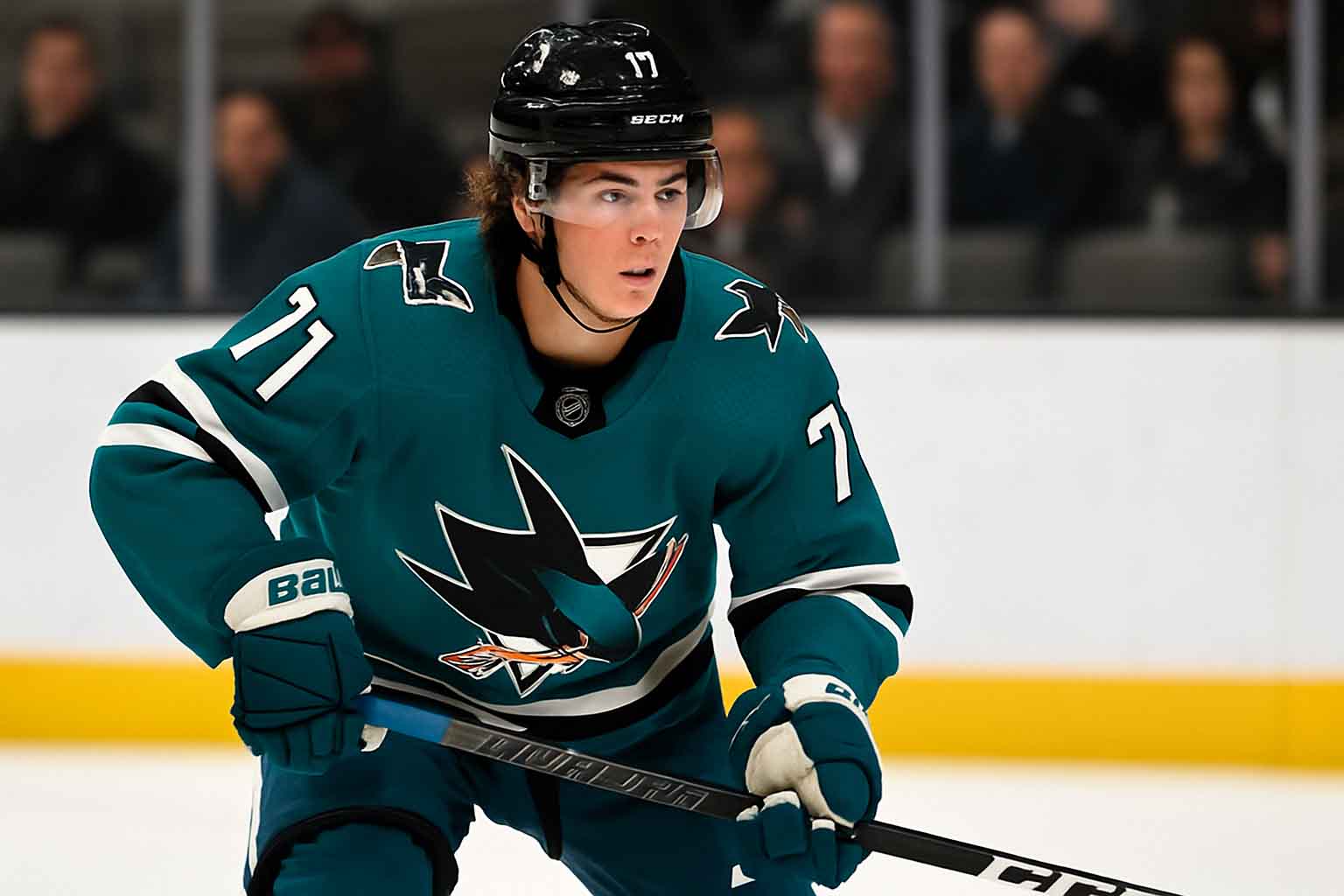
The youngest rostered player in 2025 is M. Celebrini, drafted recently and integrated gradually into the lineup. Coaches strategically deploy him in sheltered minutes to build confidence and mitigate defensive risks.
Developmental plans often include pairing young players with veterans who can guide positioning, communication, and reading play at NHL speed.
Historical youngest debuts
The NHL has seen teenagers excel immediately and others struggle under early expectations. Historical examples reveal patterns: players with strong support structures and deliberate development paths tend to achieve long-term success.
Comparing historical debut ages with the present shows that the league is more cautious today, emphasizing long-term health and skill development over immediate impact.
How teams protect young talent
Organizations frequently use AHL assignments, limited NHL minutes, and customized training programs to pace long-term growth. This prevents overload and ensures young players build physically and mentally at sustainable rates.
Modern development programs also emphasize mental-health support, media training, and life skills — areas often overlooked in earlier eras but crucial for young athletes facing rapid lifestyle changes.
Balancing Youth and Experience in NHL Roster Construction
Teams rarely rely only on youth or veterans. Ideal roster construction is a curated blend of speed, stability, creativity, and leadership — each age group filling distinct strategic roles.
Coaches and front offices coordinate development, contracts, and on-ice deployment to create synergistic combinations between emerging stars and seasoned veterans.
The value veterans bring
Veterans contribute stability and structure, often excelling in areas that require experience: defensive-zone reads, faceoff strategies, how to close out tight games, and navigating playoff pressure. These are traits younger players typically learn over several seasons.
Teams may reduce a veteran’s raw ice time while increasing their usage in key game situations where their decision-making is most valuable.
The value young players bring
Younger players elevate pace of play and transition efficiency. High-speed entries and forecheck pressure are areas where youthful energy and explosiveness outperform experience.
Teams often place young forwards alongside veteran linemates to balance creativity with structure, allowing younger players to push pace without compromising defensive responsibilities.
How general managers blend age groups
Front offices use contract structures to manage age distribution. Younger players often carry cost-controlled contracts, while older veterans sign short-term deals that provide flexibility without long-term cap risk.
The trade deadline amplifies these dynamics: contenders seek experienced depth, while rebuilding teams stockpile young, controllable assets.
Equipment, Recovery & the Science of Longevity
Modern equipment and sports science dramatically influence a player’s ability to extend their career. Today’s athletes enjoy recovery tools and performance gear that did not exist even a decade ago.
Gear innovation and performance apparel
Protective gear — helmets, shoulder pads, skates — is lighter and more protective than ever. Innovations reduce energy loss, enhance mobility, and mitigate impact forces that once accumulated into chronic injuries.
Modern training clothing has also evolved: NHL apparel now incorporates compression technology, sweat management, and ergonomic design, helping athletes recover faster and maintain consistent performance.
The rise of advanced recovery strategies
Techniques such as cryotherapy, neuromuscular therapy, and individualized nutrition plans allow players to recover effectively between games. These methods reduce cumulative fatigue and prolong the functional lifespan of muscles and joints.
Teams with elite performance departments track biomarkers, sleep data, and movement patterns to optimize each player’s load — a key factor in preventing overuse injuries that once forced early retirements.
Medical advances reducing career-ending risks
Minimally invasive surgical techniques, improved ACL reconstruction, and advanced concussion protocols drastically reduce long-term damage from injuries. Players return sooner and healthier than ever before.
Organizations investing heavily in medical infrastructure often see players extend careers by years compared to franchises with less comprehensive support.
Age, Market Value & Contract Dynamics
Age strongly influences how teams negotiate contracts. Younger players secure longer deals based on projected growth; veterans usually receive shorter agreements tied to immediate contribution.
Understanding these dynamics clarifies trade behavior, cap strategy, and the lifecycle of roster-building.
Veteran contract characteristics
Veteran contracts emphasize flexibility: shorter terms, manageable cap hits, and performance-driven incentives. These agreements protect teams from long-term decline risk while rewarding veterans who can still deliver situational excellence.
Such deals often include modified movement clauses to acknowledge a veteran’s service and preferred stability late in their career.
Entry-level and young-player contracts
Entry-level deals offer value and control. They give teams access to young talent at predictable costs, enabling clubs to invest cap space elsewhere while a young core develops.
Bonuses help align incentives: players are rewarded for breakthrough seasons without locking teams into immediate, expensive long-term commitments.
Trade-market implications of age
Age curves shape trade value. Veterans with playoff experience are prized by contenders, while rebuilding teams prioritize draft picks and prospects with long development runways.
Front offices evaluate not only talent but also contract term, declining curves, and fit with organizational timelines when considering age-related acquisitions.
FAQ
Who is the oldest current NHL player?
The oldest active NHL player in 2025 is Brent Burns, still contributing through leadership, situational minutes, and long-honed positional instincts.
Who is the youngest NHL player?
The youngest active player in 2025 is M. Celebrini, typically an 18–19-year-old high draft pick being developed carefully through controlled minutes.
Do older players still play heavy minutes?
Some do, but most veterans shift into specialized roles. Impact often becomes more situational — late-game defense, penalty kill, or mentoring on-ice units.
How does age affect contract structure?
Younger players earn long-term deals with rising value; veterans tend to receive short-term contracts with performance incentives due to projected decline curves.
Source
Official NHL roster & age data: https://www.nhl.com
Related Posts:
